


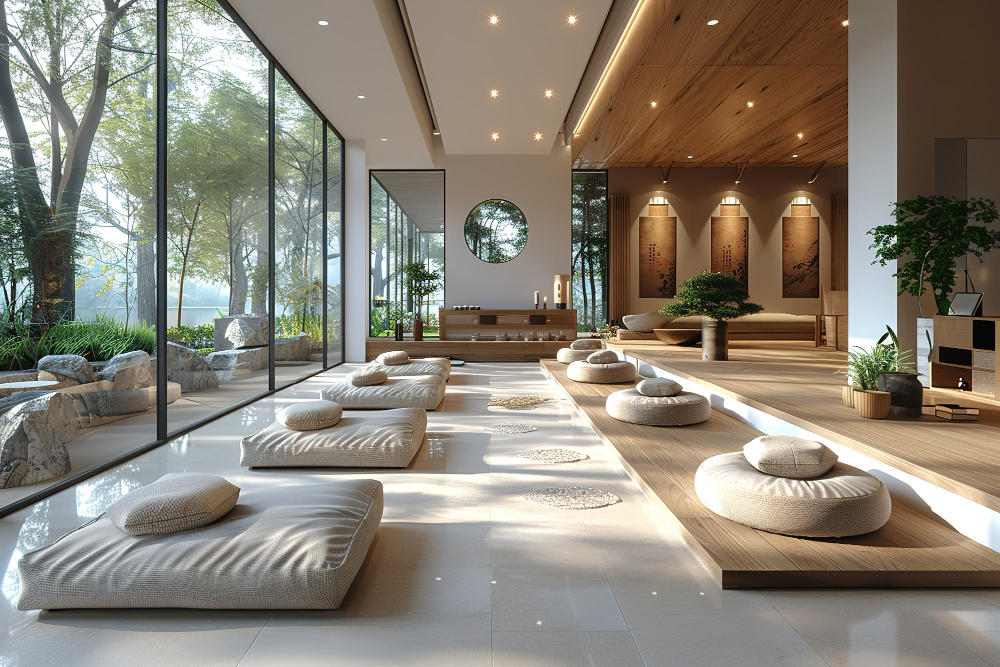





The rapid growth of wellness residences reflects a broader shift in how organizations, healthcare leaders, and high-income professionals think about health, longevity, and environmental well-being. Increasingly, health outcomes are being linked not only to medical care access, but also to the physical and social environments where people live and work. This has elevated interest in residential models designed around preventive healthcare, healthy aging, stress reduction, and lifestyle optimization.
For employers and workforce strategists, the conversation extends beyond luxury real estate itself. Residential environments can influence sleep quality, mental health, chronic disease risk, productivity, and overall workforce resilience. Executive populations, globally mobile professionals, and remote workers are also placing greater emphasis on access to wellness-oriented living infrastructure as part of broader quality-of-life expectations.
The expansion of wellness-focused residential development is occurring alongside rising healthcare expenditures, increased burnout concerns, demographic aging, and heightened awareness of environmental impacts on long-term health. As organizations evaluate employee health strategies and retention initiatives, the built environment is becoming part of the discussion. Wellness residences sit at the intersection of healthcare, hospitality, preventive wellness, real estate, and longevity-oriented living.
This trend also reflects a growing consumer and institutional preference for proactive health management rather than reactive care models. The integration of health-supportive architecture, wellness programming, air quality systems, nutrition infrastructure, fitness amenities, and community-centered design is increasingly viewed as a long-term investment in human performance and well-being.
For healthcare decision-makers, insurers, employers, and benefits leaders, wellness residences represent an evolving category that may influence future conversations around preventive healthcare, workforce sustainability, and the economics of healthy living environments.
Clear Explanation of the Concept
Wellness residences are residential properties intentionally designed to support physical, mental, and social well-being through architecture, environmental planning, wellness amenities, preventive health infrastructure, and lifestyle-oriented services. Unlike traditional luxury residential developments that prioritize prestige or recreational amenities alone, wellness-focused communities are structured around health-supportive living principles.
These residences may include features such as enhanced indoor air quality systems, circadian lighting, fitness and recovery facilities, walkable design, access to healthy nutrition, biophilic architecture, stress-reduction spaces, and integrated wellness programming. Some developments also incorporate longevity-oriented services, preventive healthcare partnerships, or health monitoring technologies. However, wellness residences are not medical facilities, nor are they substitutes for clinical care.
The concept is especially relevant as healthcare leaders increasingly recognize that social and environmental determinants of health significantly affect long-term outcomes. Housing environments can influence sleep patterns, stress levels, sedentary behavior, social isolation, and exposure to pollutants. Wellness-oriented residential design attempts to address these factors proactively.
For employers and insurers, the growing popularity of wellness residences reflects broader changes in workforce expectations. Senior professionals, distributed teams, and high-performing employees increasingly seek living environments that align with work-life integration, mental well-being, and healthy aging priorities. This is particularly relevant in industries where burnout, chronic stress, and executive fatigue are significant concerns.
Importantly, wellness residences should not be viewed solely as luxury lifestyle products. While many developments target affluent demographics, the broader significance lies in how real estate design principles are evolving to incorporate preventive health thinking into everyday living environments.
How the Concept Differs From Related Ideas
Wellness residences are often confused with luxury condominiums, retirement communities, hospitality-branded residences, or medical wellness retreats, but the distinctions are important. Traditional luxury real estate typically focuses on exclusivity, aesthetics, concierge services, and premium amenities without necessarily emphasizing measurable health-supportive design. Wellness residences place health optimization and preventive living at the center of the residential experience.
They also differ from healthcare facilities or medicalized housing environments. Wellness residences are generally designed for independent living and lifestyle enhancement rather than treatment or rehabilitation. While some may offer access to health assessments or wellness professionals, they are not intended to replace primary care or specialized medical services.
The concept also differs from short-term wellness tourism experiences. Wellness retreats or destination-based wellness travel typically provide temporary interventions focused on rest, recovery, or behavioral resets. Wellness residences are designed to embed wellness-supportive practices into daily life over the long term.
Another distinction involves longevity-focused communities. Although there is overlap between wellness residences and longevity-oriented living, longevity medicine often emphasizes clinical diagnostics, biological age monitoring, and advanced preventive interventions. Wellness residences may incorporate some longevity principles but generally focus more broadly on environmental and lifestyle factors that support healthy aging.
Finally, wellness residences should not be confused with purely sustainable or environmentally certified buildings. Sustainability initiatives may focus primarily on energy efficiency or environmental performance, while wellness residences integrate human-centered health outcomes into the design philosophy.
Key Components or Core Elements
- Health-Oriented Architectural Design
Wellness residences often incorporate design principles intended to support sleep quality, natural movement, stress reduction, and cognitive well-being. Features such as natural lighting, acoustic management, green spaces, and ventilation systems are increasingly prioritized as part of preventive health-oriented living environments. - Integrated Preventive Wellness Infrastructure
Many wellness residences include fitness facilities, recovery spaces, nutrition services, mindfulness areas, and wellness programming designed to support healthy routines. These elements are intended to encourage sustained lifestyle behaviors rather than occasional engagement. - Air, Water, and Environmental Quality Systems
Indoor environmental quality has become a major differentiator in wellness-oriented real estate. Advanced filtration systems, humidity control, reduced toxin exposure, and water quality management are increasingly marketed as components that may support long-term health and comfort. - Technology-Enabled Wellness Monitoring
Some developments incorporate digital wellness technologies, health tracking capabilities, or smart-home integrations intended to personalize living environments. These technologies may support sleep optimization, environmental monitoring, or behavioral awareness, although they also raise privacy and governance considerations. - Community and Social Connectivity
Social isolation is increasingly recognized as a significant health risk factor. Wellness residences often emphasize shared spaces, wellness programming, and community engagement models intended to foster social connection and emotional well-being. - Longevity and Healthy Aging Features
Aging populations and executive demographics are driving interest in residences designed to support mobility, cognitive resilience, and long-term independence. Universal design principles and accessibility-focused infrastructure are becoming more integrated into high-end wellness developments. - Work-Life Integration Infrastructure
Remote and hybrid work trends have increased demand for environments that support productivity alongside personal well-being. Wellness residences increasingly incorporate flexible workspaces, recovery areas, and environments designed to reduce stress associated with work-from-home lifestyles.
Strategic Implications for Employers, Payers, and Workforce Decision-Makers
The rise of wellness residences has broader implications for workforce health strategy and organizational planning. Employers are increasingly aware that employee well-being is shaped by factors extending far beyond workplace benefits alone. Living conditions, stress exposure, sleep quality, environmental health, and community infrastructure can all influence workforce productivity and healthcare utilization.
For organizations competing for executive talent or managing globally mobile employees, access to wellness-supportive living environments may become part of broader recruitment and retention conversations. Senior professionals are increasingly prioritizing quality-of-life considerations alongside compensation and career advancement opportunities.
The trend also aligns with a larger movement toward preventive healthcare and proactive health management. Chronic disease burden, burnout, and mental health challenges continue to create substantial costs for employers and payers. Wellness-oriented living environments may complement broader preventive health strategies by supporting healthier daily routines and reducing environmental stressors.
From a benefits perspective, wellness residences may also influence conversations around executive health programs, relocation support, and long-term workforce resilience planning. While these developments remain concentrated within higher-income markets, the underlying principles of health-supportive living environments are gaining broader strategic relevance.
Healthcare purchasers and insurers are likewise paying closer attention to social determinants of health and environmental factors that contribute to long-term outcomes. Although wellness residences alone are unlikely to solve systemic healthcare challenges, they reflect growing recognition that health is deeply connected to lifestyle infrastructure and the built environment.
Implications for Executive Health, Remote Work, Global Mobility, or Talent Strategy
Executive populations often face elevated stress levels, travel demands, sleep disruption, and chronic workload pressures. Wellness-oriented residential environments may help support recovery, stress management, and healthier behavioral patterns among leadership teams. This is especially relevant as organizations increasingly prioritize executive resilience and long-term performance sustainability.
Remote work trends have further amplified interest in residential environments that support both productivity and personal well-being. Professionals working from home are spending significantly more time within residential spaces, making environmental quality, ergonomic design, and mental well-being infrastructure more consequential.
Globally mobile professionals and expatriate employees may also prioritize access to wellness-supportive living environments when evaluating relocation opportunities. In competitive labor markets, housing quality and lifestyle infrastructure are increasingly viewed as components of talent strategy rather than purely personal preferences.
Organizations managing international assignments or leadership mobility programs may eventually incorporate wellness-oriented housing considerations into broader workforce support frameworks. While this remains an emerging area, the convergence of health, housing, and employee experience is becoming more visible.
Additionally, younger workforce demographics increasingly value holistic well-being and work-life integration. Wellness-oriented communities may therefore align with evolving expectations around lifestyle quality, flexibility, and preventive health awareness.
Implications for Payers, Benefits Leaders, and Healthcare Decision-Makers
For insurers and healthcare purchasers, wellness residences highlight the expanding role of environmental and social determinants in health outcomes. Healthcare spending continues to be heavily influenced by chronic disease prevalence, mental health conditions, and lifestyle-related risk factors. Residential environments may indirectly influence many of these variables.
Benefits leaders are also increasingly interested in preventive strategies that extend beyond traditional wellness programs. While residential interventions are more complex than workplace initiatives, the broader principle of health-supportive environments is gaining traction in workforce health planning discussions.
Healthcare decision-makers may also evaluate how wellness-oriented living models intersect with aging populations and long-term care planning. Supporting healthy aging and prolonged independence has become a strategic priority across many healthcare systems and employer-sponsored health programs.
At the same time, insurers and employers must approach wellness residence trends cautiously and realistically. Evidence regarding measurable long-term healthcare savings remains evolving, and many claims associated with wellness real estate require more rigorous validation. Decision-makers should avoid assuming direct causal relationships between residential amenities and improved health outcomes.
Nonetheless, the increasing integration of wellness principles into residential design reflects a broader shift toward preventive and holistic approaches to population health management.
Risks, Limitations, and Ethical Considerations
Despite strong market growth, wellness residences also raise important ethical, operational, and equity-related concerns. One major issue involves accessibility and affordability. Many wellness-oriented developments are positioned within high-income real estate markets, potentially limiting access to populations that may benefit most from health-supportive living environments.
There is also a risk of overclaiming health benefits without sufficient evidence. Marketing language around wellness and longevity can sometimes imply outcomes that are difficult to validate scientifically. Organizations and consumers should evaluate claims carefully and distinguish between evidence-supported interventions and aspirational branding.
Privacy considerations are increasingly important as some wellness residences integrate health-tracking technologies, biometric systems, or digital wellness platforms. Questions surrounding data governance, consent, cybersecurity, and third-party data usage require careful oversight.
Another concern involves the potential medicalization of everyday living environments. While preventive health infrastructure can be beneficial, excessive focus on optimization metrics or health surveillance may contribute to anxiety, exclusion, or unrealistic expectations around wellness.
Finally, quality variation across developments remains significant. The term “wellness residence” is not always standardized, meaning that the quality, evidence basis, and operational integrity of different projects can vary widely. Decision-makers should therefore approach the category with disciplined due diligence rather than assumptions.
What Organizations Should Evaluate
Organizations exploring wellness-oriented residential strategies should begin by clarifying their underlying objectives. Employers, insurers, and workforce planners need to determine whether their priorities involve executive well-being, relocation support, preventive health initiatives, employee retention, or broader workforce resilience.
Due diligence should include evaluating the evidence supporting claimed health outcomes and understanding which interventions are grounded in established environmental health research. Features such as air quality, walkability, sleep-supportive design, and stress reduction infrastructure may have stronger evidence bases than more speculative wellness claims.
Organizations should also assess inclusivity and equity implications. Wellness-oriented living strategies that only benefit select executive populations may create cultural or workforce perception challenges if not aligned with broader employee well-being commitments.
Privacy governance is another critical consideration, particularly where technology-enabled wellness monitoring or health data collection is involved. Clear policies around data ownership, employee consent, cybersecurity, and ethical use of information are essential.
Scalability and long-term operational sustainability also matter. Some wellness real estate concepts may perform well as niche offerings but prove difficult to integrate into broader workforce health strategies. Decision-makers should therefore evaluate whether wellness-oriented housing aligns meaningfully with organizational health objectives and preventive healthcare priorities.
Future Outlook and Emerging Trends
The future of wellness residences will likely be shaped by several intersecting trends, including demographic aging, workforce decentralization, preventive healthcare expansion, and rising interest in longevity-oriented living. As populations live longer and healthcare systems face increasing chronic disease burdens, demand for health-supportive living environments may continue to grow.
Remote and hybrid work models are also expected to influence residential preferences for years to come. Professionals increasingly seek homes that support productivity, recovery, mental well-being, and flexible lifestyles simultaneously. This may accelerate demand for integrated wellness infrastructure within residential developments.
Advancements in building science, environmental health research, and digital wellness technologies are also likely to influence future design standards. More sophisticated approaches to air quality management, circadian lighting, acoustic engineering, and healthy materials may become increasingly mainstream.
The wellness residence category may additionally expand beyond ultra-luxury positioning over time. As awareness of environmental determinants of health grows, some health-supportive design principles could become more broadly integrated into mainstream residential planning and urban development.
At the same time, scrutiny around evidence quality, transparency, inclusivity, and measurable outcomes is likely to intensify. Investors, employers, healthcare leaders, and consumers will increasingly expect wellness-oriented developments to demonstrate meaningful value rather than relying solely on lifestyle branding.
Educational Closing Perspective
The growth of wellness residences reflects a broader transformation in how health, housing, and lifestyle infrastructure are being connected within modern workforce and healthcare conversations. Increasingly, organizations and individuals are recognizing that long-term well-being is influenced not only by clinical care access, but also by the environments that shape everyday behavior, stress exposure, recovery, and social interaction.
For employers and healthcare decision-makers, the rise of wellness-oriented living environments underscores the importance of preventive thinking and holistic workforce health strategies. While wellness residences are not a universal solution, they represent part of a larger movement toward integrating health-supportive design principles into daily life.
As healthcare costs, burnout concerns, and longevity-related planning pressures continue to evolve, the relationship between real estate and health outcomes may receive greater strategic attention across industries. Decision-makers evaluating these trends should focus on evidence quality, operational integrity, inclusivity, and alignment with broader preventive health goals.
The future of wellness-oriented residential development will likely depend on whether these environments can demonstrate sustainable value beyond aesthetics and branding. That includes measurable contributions to well-being, healthier behaviors, social connection, and long-term quality of life. Professionals exploring this topic can review this resource as part of a broader due diligence process surrounding wellness-oriented living and longevity-focused residential trends.
