


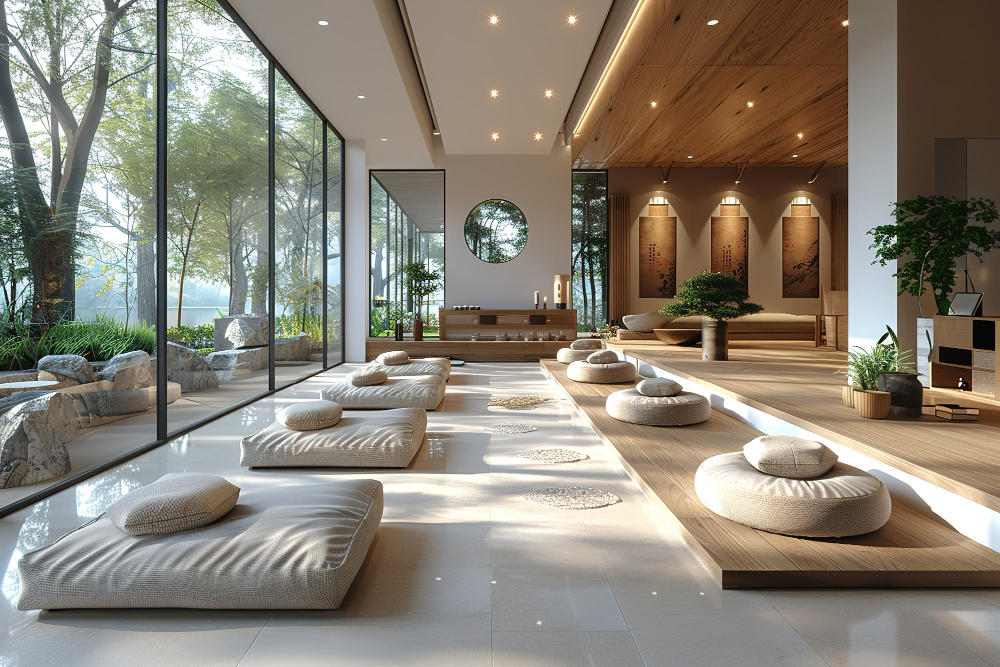





The relationship between the built environment and long-term health outcomes is becoming increasingly relevant in corporate wellness, preventive healthcare, and workforce strategy discussions. Employers, insurers, and healthcare decision-makers are facing rising concerns related to chronic disease, social isolation, stress-related conditions, and healthcare utilization across aging and multigenerational populations. At the same time, organizations are exploring broader approaches to employee well-being that extend beyond traditional insurance design or episodic healthcare access.
Wellness communities have emerged as one potential response to these challenges by integrating health-supportive environments, preventive services, social engagement, movement, nutrition, and longevity-oriented lifestyle practices into daily living. Rather than focusing solely on clinical intervention after illness develops, these communities aim to create conditions that may support healthier behaviors and sustained well-being over time. This approach aligns with broader shifts toward preventive healthcare and population health management.
For employers and workforce leaders, the topic matters because health outcomes are influenced by more than healthcare access alone. Environmental design, social cohesion, stress levels, walkability, nutrition access, and opportunities for physical activity can all affect productivity, resilience, retention, and long-term healthcare costs. As organizations evaluate future workforce health strategies, wellness-oriented living environments are increasingly entering conversations around executive health, healthy aging, and workforce sustainability.
The growing focus on longevity also contributes to this trend. As people live longer, organizations and healthcare systems are confronting questions about how to support not only lifespan, but also healthspan, cognitive function, independence, and quality of life. Wellness communities represent one model that attempts to address these intersecting priorities in a more integrated way.
Clear Explanation of the Concept
A wellness community is a residential or mixed-use environment intentionally designed to support physical, mental, emotional, and social well-being through environmental planning, lifestyle infrastructure, preventive healthcare access, and community engagement. These communities may include features such as walkable layouts, fitness facilities, nutrition-oriented dining, green spaces, wellness programming, social activities, stress-reduction spaces, and integrated healthcare resources.
Importantly, wellness communities are not simply luxury residential developments with recreational amenities. The concept is rooted in the idea that daily surroundings and social ecosystems can influence long-term health behaviors and outcomes. While amenities may vary widely, the defining characteristic is the intentional integration of wellness-supportive systems into everyday life.
The model also differs from purely clinical healthcare settings. Wellness communities are generally designed to support prevention, behavior change, and healthy living before advanced illness develops. Their role is not to replace medical care, but rather to create environments that may reinforce healthier routines and reduce barriers to sustained well-being.
For employers and healthcare decision-makers, the relevance lies in the broader recognition that health is influenced by social determinants and lifestyle conditions as much as by clinical treatment. Organizations increasingly understand that employee well-being cannot be addressed solely through insurance benefits or isolated wellness initiatives. Living environments, stress levels, social connectedness, and daily behavioral patterns all shape long-term workforce health.
In the context of longevity medicine and preventive healthcare, wellness communities are also attracting attention because they may support healthier aging trajectories. While outcomes vary substantially across populations and models, evidence-informed approaches that encourage movement, social interaction, sleep quality, stress management, and preventive engagement are associated with improved well-being and resilience over time.
How the Concept Differs From Related Ideas
Wellness communities are often confused with retirement communities, hospitality developments, or fitness-centered residential projects, but the distinctions are important. Traditional retirement communities may focus primarily on housing and age-related support services, whereas wellness communities are typically structured around proactive health optimization and preventive living across broader demographic groups.
They also differ from conventional corporate wellness programs. Workplace wellness initiatives usually operate within employer-sponsored frameworks such as health screenings, coaching, or fitness reimbursements. Wellness communities extend beyond the workplace by embedding wellness-supportive behaviors into the living environment itself.
Another distinction involves the concept of medical tourism or destination wellness travel. Short-term wellness retreats or healthcare travel experiences may provide temporary interventions or experiences, but wellness communities are intended to influence long-term lifestyle patterns through ongoing environmental and social design. The emphasis is on sustained behavior reinforcement rather than episodic participation.
Wellness communities should also not be confused with purely technology-driven health ecosystems. While digital health tools, wearable devices, and health analytics may be incorporated, the central premise remains environmental and behavioral integration. Human interaction, walkability, nutrition access, and community engagement are often considered equally important as technological infrastructure.
Finally, the concept differs from disease-focused healthcare models. Wellness communities generally emphasize prevention, resilience, quality of life, and healthy aging rather than reactive treatment alone. This distinction is increasingly relevant for organizations seeking sustainable approaches to workforce health management and long-term healthcare planning.
Key Components or Core Elements
- Built Environment Design
Wellness communities are often designed to encourage movement, accessibility, and social interaction through walkable layouts, green spaces, pedestrian-friendly infrastructure, and recreational access. Environmental design can significantly influence physical activity levels, stress reduction, and community engagement over time. - Preventive Health Integration
Many wellness communities incorporate preventive healthcare services, health assessments, educational programming, and wellness-oriented resources. The goal is not necessarily intensive medical intervention, but rather ongoing support for healthier daily behaviors and early engagement with health risks. - Social Connectivity and Community Engagement
Social isolation is increasingly recognized as a major determinant of health outcomes, particularly among aging populations and remote workers. Wellness communities frequently prioritize communal activities, shared spaces, intergenerational engagement, and opportunities for meaningful social interaction. - Nutrition and Lifestyle Support
Access to healthier food environments, nutritional education, and wellness-oriented dining options may help reinforce sustainable dietary behaviors. These approaches are often integrated alongside broader lifestyle programming related to sleep, stress management, and physical activity. - Mental Health and Stress Reduction
Many wellness-focused environments incorporate mindfulness spaces, nature integration, quiet zones, wellness programming, and stress-management resources. Chronic stress has important implications for workforce productivity, healthcare utilization, and long-term disease risk. - Longevity-Oriented Programming
Some wellness communities increasingly align with longevity medicine principles by focusing on healthy aging, mobility preservation, cognitive resilience, and sustained independence. While evidence varies across interventions, the broader emphasis is on supporting healthspan alongside lifespan. - Technology and Health Monitoring
Digital health tools, remote monitoring systems, wearable integration, and telehealth access may support preventive engagement and personalized wellness experiences. However, these technologies require careful governance regarding privacy, ethics, and data security.
Strategic Implications for Employers, Payers, and Workforce Decision-Makers
Wellness communities have broader implications for organizational health strategy because they reflect a shift toward ecosystem-based approaches to well-being. Employers increasingly recognize that healthcare costs and workforce resilience are shaped by long-term behavioral, environmental, and social conditions rather than clinical treatment alone. This perspective is particularly relevant as organizations confront rising rates of chronic disease, burnout, stress-related conditions, and mental health challenges.
For employers, healthier living environments may contribute to improved employee engagement, retention, productivity, and resilience. While no residential model guarantees health outcomes, environments that support movement, social connection, and preventive behaviors may help reduce barriers to healthier lifestyles. This is especially important for organizations seeking sustainable approaches to workforce health management.
Healthcare payers and benefits leaders are also examining how preventive living models could influence long-term utilization patterns. Delayed onset of chronic disease, improved adherence to preventive behaviors, and stronger social support systems may contribute to lower downstream healthcare burdens over time. However, outcomes depend heavily on accessibility, participation, and implementation quality.
The conversation also intersects with workforce demographics and aging trends. As employees remain active in the workforce longer, organizations are increasingly concerned with supporting cognitive performance, mobility, stress resilience, and healthy aging. Wellness-oriented living strategies may become more relevant as employers adapt to multigenerational workforce needs.
From a strategic standpoint, wellness communities also reflect broader shifts toward integrated well-being frameworks. Organizations are moving beyond isolated wellness perks toward more holistic approaches that consider environmental, behavioral, emotional, and social dimensions of health.
Implications for Executive Health, Remote Work, Global Mobility, or Talent Strategy
The rise of distributed workforces and remote work arrangements has increased attention on how living environments influence productivity and well-being. Employees who spend more time working from home are often more directly affected by their surrounding environment, access to movement opportunities, stress levels, and social engagement patterns. Wellness communities may therefore become increasingly relevant in conversations around remote workforce resilience.
Executive health is another important consideration. Senior leaders often face elevated stress, demanding schedules, sleep disruption, and chronic performance pressures that can affect long-term health outcomes. Wellness-oriented environments may help support recovery, stress management, and sustainable performance habits outside the workplace.
Global mobility and relocation trends also intersect with this topic. Professionals relocating internationally or transitioning between regions may place increasing value on integrated healthcare access, preventive wellness infrastructure, and quality-of-life considerations. Organizations competing for high-skilled talent may therefore pay closer attention to regional wellness ecosystems.
From a talent strategy perspective, younger generations are also demonstrating increased interest in holistic well-being, sustainability, mental health support, and quality-of-life factors. Workplace culture alone may no longer fully determine employee satisfaction or retention. Broader lifestyle environments are becoming part of workforce expectations and long-term career decision-making.
As workforce models continue evolving, organizations may increasingly evaluate how environmental and lifestyle factors influence employee engagement, burnout risk, and organizational resilience over time.
Implications for Payers, Benefits Leaders, and Healthcare Decision-Makers
Payers and benefits leaders are under growing pressure to balance rising healthcare costs with improved health outcomes and employee satisfaction. Wellness communities may contribute to these discussions because they emphasize preventive healthcare engagement and sustained behavioral support rather than episodic intervention alone.
Preventive health strategies are especially relevant in managing chronic disease burdens associated with cardiovascular conditions, metabolic disorders, musculoskeletal issues, and stress-related illnesses. While wellness communities are not substitutes for clinical care, they may support healthier daily habits that complement broader population health strategies.
Healthcare decision-makers are also paying closer attention to social determinants of health. Factors such as loneliness, inactivity, environmental stress, and limited community engagement are increasingly recognized as contributors to poor health outcomes and higher healthcare utilization. Wellness-oriented living environments attempt to address some of these nonclinical influences.
Another important consideration involves healthcare engagement and navigation. Communities that integrate wellness resources, preventive services, educational support, and health literacy initiatives may help individuals engage more proactively with their health over time. However, accessibility and inclusivity remain essential considerations.
Benefits leaders must also carefully evaluate evidence quality, measurement standards, and realistic outcome expectations. Not all wellness community models produce meaningful health improvements, and organizations should avoid assuming universal effectiveness without appropriate evaluation frameworks.
Risks, Limitations, and Ethical Considerations
Despite growing interest, wellness communities also present important limitations and ethical considerations. One concern involves accessibility and equity. Some wellness-oriented developments may primarily serve higher-income populations, raising questions about whether preventive living environments are equitably available across socioeconomic groups.
Another challenge involves overclaiming health benefits. While certain environmental and lifestyle factors are associated with improved well-being, wellness communities should not be portrayed as guaranteed pathways to longevity or disease prevention. Health outcomes remain influenced by genetics, healthcare access, socioeconomic conditions, and individual behaviors.
Privacy and data governance also require careful attention, particularly when communities incorporate digital health monitoring, wearable devices, or personalized wellness tracking. Organizations and healthcare stakeholders must ensure appropriate safeguards around consent, data usage, and cybersecurity.
There are also concerns related to medicalization and unrealistic expectations. Not every aspect of daily life should necessarily be transformed into a monitored wellness intervention. Excessive focus on optimization can sometimes contribute to stress, anxiety, or exclusion rather than improved well-being.
Quality variation is another significant issue. The term “wellness community” is broad and inconsistently defined across markets. Some developments may prioritize evidence-informed health design, while others rely more heavily on marketing language without meaningful health infrastructure or measurable outcomes.
What Organizations Should Evaluate
Organizations exploring wellness-oriented living models should begin with clear strategic objectives rather than trend-driven adoption. Employers and healthcare stakeholders should determine whether their goals relate to preventive healthcare engagement, workforce resilience, healthy aging, executive wellness, talent attraction, or broader employee experience priorities.
Evidence standards are particularly important. Decision-makers should evaluate whether proposed programs or environments are supported by credible research related to physical activity, stress reduction, social engagement, preventive care participation, or health outcomes. Claims about longevity or disease prevention should be approached carefully and critically.
Employee population fit is another major consideration. Workforce demographics, geographic distribution, cultural factors, accessibility needs, and affordability all influence whether a wellness-oriented strategy is practical or equitable. A model that works for one population may not translate effectively to another.
Organizations should also evaluate governance, privacy protections, and measurement frameworks. If digital health tools or wellness data collection are involved, clear standards regarding consent, security, and ethical data use are essential. Measurement strategies should focus on realistic indicators such as engagement, well-being trends, preventive participation, and workforce resilience rather than simplistic promises of cost reduction.
Scalability and inclusivity are equally important. Wellness strategies that only benefit a small segment of employees may have limited organizational impact. Long-term success generally requires integration with broader workforce health initiatives, preventive healthcare strategies, and inclusive access principles.
Future Outlook and Emerging Trends
The future of wellness communities will likely be shaped by several converging trends in healthcare, workforce strategy, and longevity science. Aging populations, rising chronic disease prevalence, and increasing interest in preventive healthcare are expected to sustain demand for environments that support healthier living.
Technology integration will probably continue expanding, particularly through remote monitoring, personalized wellness analytics, telehealth access, and digital engagement tools. However, future models may place greater emphasis on balancing technological innovation with privacy protection and human-centered design.
Longevity medicine is also influencing how organizations think about workforce sustainability and healthy aging. Rather than focusing exclusively on lifespan extension, future wellness strategies may increasingly emphasize cognitive health, mobility preservation, resilience, and quality of life across longer careers and retirement transitions.
Environmental sustainability and health may become more closely connected as well. Air quality, green space access, climate resilience, and sustainable urban planning are increasingly recognized as public health factors with long-term workforce implications. Wellness communities may evolve to integrate environmental and human health considerations more intentionally.
Another emerging trend involves the blending of healthcare, residential design, hospitality, and preventive wellness infrastructure into more integrated ecosystems. As healthcare decision-makers continue exploring holistic approaches to well-being, the boundaries between healthcare environments and daily living environments may become increasingly interconnected.
Educational Closing Perspective
The growing interest in wellness communities reflects a broader shift in how organizations, healthcare leaders, and workforce strategists think about health and longevity. Increasingly, long-term well-being is being viewed not solely as a function of clinical treatment, but as the cumulative result of environment, behavior, social connection, preventive engagement, and quality-of-life conditions. This perspective aligns with evolving workforce health priorities that emphasize resilience, healthy aging, stress management, and sustainable productivity.
For employers and healthcare decision-makers, the discussion is ultimately less about real estate trends and more about the future structure of preventive health ecosystems. Wellness-oriented environments may offer one framework for addressing some of the behavioral and social drivers that influence healthcare costs, employee engagement, and long-term population health outcomes. At the same time, these models require careful evaluation, evidence-based governance, and inclusive implementation strategies.
The long-term success of wellness communities will likely depend on their ability to balance accessibility, scientific credibility, preventive healthcare integration, and meaningful quality-of-life improvements. Organizations should remain cautious of exaggerated claims while remaining open to innovative approaches that may support healthier living environments and stronger workforce resilience.
As longevity, workforce demographics, and preventive healthcare continue evolving, the intersection between where people live and how they maintain health may become increasingly important for employers, payers, and healthcare systems alike. Professionals exploring this topic can review this resource as part of a broader due diligence process around wellness-oriented living and longevity-focused environments.
