


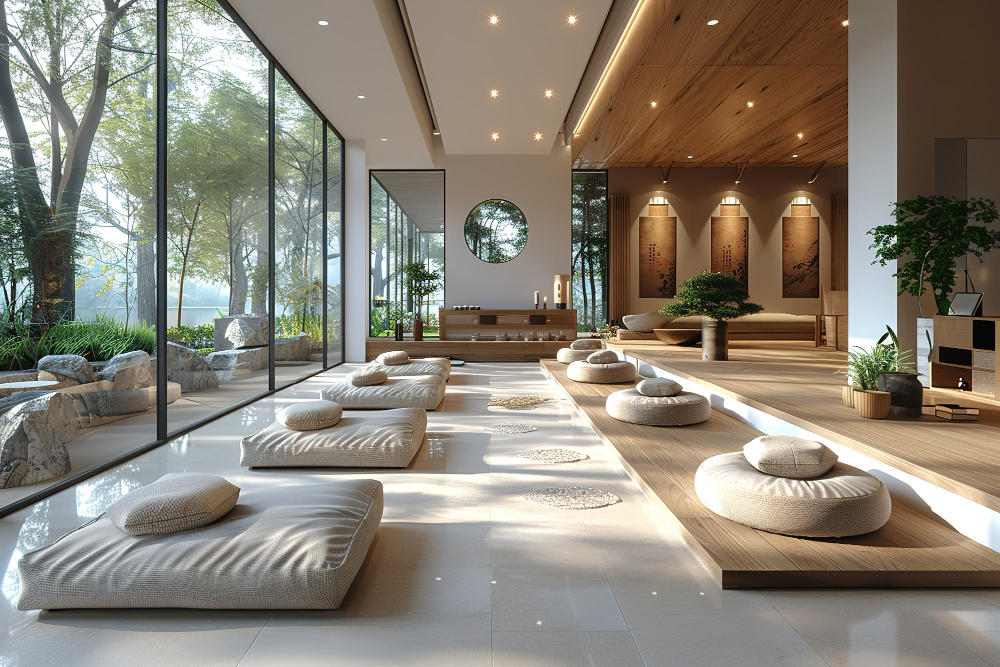





The growing interest in wellness residences reflects a broader shift in how high-performing professionals and organizational leaders think about health, longevity, and sustainable productivity. Increasingly, wellness is no longer viewed solely as an individual lifestyle choice, but as a long-term strategic asset that influences workforce resilience, executive performance, healthcare utilization, and organizational continuity. As burnout, chronic disease risk, stress-related disorders, and cognitive fatigue continue to affect senior leaders and globally mobile professionals, the environments in which people live are receiving greater scrutiny.
Wellness residences have emerged within a larger movement toward preventive healthcare and health-oriented living environments. Employers, insurers, and healthcare decision-makers are paying closer attention to how housing, environmental design, sleep quality, nutrition access, air quality, movement infrastructure, and social connection contribute to long-term health outcomes. This trend aligns with broader workforce health strategies focused on prevention rather than episodic treatment.
The concept also intersects with demographic realities. Aging executive populations, increasing healthcare expenditures, and heightened awareness of longevity science are encouraging individuals to invest earlier in sustainable health optimization. At the same time, distributed workforces and remote work models have increased the amount of time professionals spend within their residential environments, amplifying the impact of those environments on physical and mental wellbeing.
For employers and benefits leaders, the topic matters because residential wellness trends may influence employee expectations, retention dynamics, executive health planning, and future preventive healthcare models. While wellness residences remain more accessible to higher-income populations today, the underlying principles are increasingly relevant across broader workforce health strategies.
Clear Explanation of the Concept
Wellness residences are residential environments intentionally designed to support physical, mental, cognitive, and social wellbeing through integrated health-oriented infrastructure, services, and environmental design. Unlike conventional residential developments that primarily emphasize location, amenities, or aesthetics, wellness residences are structured around preventive health principles and healthy living behaviors.
These environments may include features such as air and water filtration systems, circadian lighting, walkability, fitness integration, stress-reduction spaces, sleep-supportive architecture, nutrition-focused dining access, and technology designed to monitor or support wellbeing. Some models also integrate preventive healthcare access, longevity-oriented programming, or recovery-focused services into the residential ecosystem.
Importantly, wellness residences are not the same as luxury housing with spa amenities. While premium real estate may include fitness centers or wellness branding, true wellness-oriented residential models are designed around evidence-informed environmental health principles and behavioral support systems. The focus is typically long-term health optimization rather than short-term indulgence or hospitality experiences.
For healthcare decision-makers and workforce strategists, wellness residences represent an intersection between preventive healthcare, environmental health, and lifestyle medicine. The broader relevance lies in understanding how daily living environments may influence chronic disease risk, cognitive performance, sleep quality, emotional resilience, and healthy aging trajectories over time.
The concept is also increasingly connected to longevity-oriented thinking. Rather than waiting for illness to emerge, wellness-oriented living environments aim to support sustained healthspan, functional capacity, and quality of life across extended careers and aging populations.
How the Concept Differs From Related Ideas
Wellness residences are often confused with luxury residential developments, retirement communities, hospitality-driven wellness resorts, or traditional health clubs. However, the defining distinction is that wellness residences are designed around continuous, integrated health-supportive living rather than occasional wellness consumption.
Unlike conventional luxury real estate, wellness residences place measurable emphasis on environmental and behavioral factors associated with long-term wellbeing. Features such as indoor air quality optimization, acoustic design, natural lighting alignment, biophilic architecture, and recovery-oriented spaces are often incorporated systematically rather than cosmetically.
They also differ from medicalized residential settings. Wellness residences are generally not clinical facilities, rehabilitation centers, or healthcare institutions. Instead, they occupy a middle ground between healthcare infrastructure and residential living by embedding preventive health principles into daily environments.
Compared with short-term wellness retreats or destination wellness experiences, wellness residences emphasize consistency and habit formation. The underlying assumption is that long-term exposure to healthier environments may have greater cumulative impact than episodic wellness interventions.
Finally, wellness residences differ from standard corporate wellness programs because they extend beyond workplace boundaries. While employers have historically focused on workplace health initiatives, wellness residences reflect a broader recognition that workforce health outcomes are shaped significantly by non-work environments.
Key Components or Core Elements
- Health-Oriented Environmental Design
Wellness residences often prioritize environmental conditions associated with healthier living, including improved ventilation, natural light exposure, acoustic management, and reduced environmental toxins. These design choices are intended to support sleep quality, cognitive performance, stress reduction, and respiratory health over time. - Integrated Preventive Health Infrastructure
Many wellness-oriented residential models include infrastructure that encourages preventive health behaviors through accessible movement spaces, recovery areas, wellness programming, and health-supportive technologies. The goal is to make healthier behaviors easier to sustain within daily routines rather than requiring separate interventions. - Sleep and Recovery Optimization
Sleep quality is increasingly recognized as a major determinant of workforce performance, emotional regulation, and long-term health outcomes. Wellness residences may incorporate circadian lighting systems, sound insulation, temperature optimization, and recovery-oriented architectural elements designed to support restorative rest. - Community and Social Wellbeing
Social connection and community engagement are increasingly viewed as critical components of healthy aging and mental wellbeing. Wellness residences may include shared spaces, wellness programming, collaborative environments, or intergenerational engagement opportunities intended to reduce isolation and support social resilience. - Technology and Health Monitoring Integration
Some wellness residences incorporate digital wellness tools, environmental monitoring systems, or personalized health technologies. While these technologies may support engagement and awareness, they also raise important questions regarding data governance, privacy, and appropriate use of health information. - Longevity and Healthy Aging Orientation
A growing number of wellness residences align themselves with longevity-oriented frameworks that emphasize extending healthspan rather than simply lifespan. This may include environments designed to encourage physical activity, cognitive stimulation, nutrition quality, stress management, and proactive health maintenance across aging populations. - Work-Life Integration Support
As remote and hybrid work arrangements continue to evolve, residential environments increasingly function as extensions of professional life. Wellness residences may include spaces designed to reduce stress, support focus, improve ergonomic conditions, and encourage healthier work-life integration patterns.
Strategic Implications for Employers, Payers, and Workforce Decision-Makers
The rise of wellness residences signals broader changes in how organizations may need to think about employee health strategy and workforce sustainability. Historically, employers focused heavily on healthcare benefits and workplace wellness initiatives, but growing evidence suggests that environmental and lifestyle determinants substantially influence long-term health outcomes and healthcare utilization.
For employers competing for senior talent, executive resilience and sustainable performance are becoming increasingly important strategic considerations. High-performing professionals are showing greater interest in environments that support cognitive clarity, stress management, recovery, and healthy aging. This trend may influence future expectations surrounding executive benefits, relocation packages, and workforce wellbeing strategies.
Payers and healthcare purchasers are also observing increased interest in preventive and lifestyle-oriented health models. Although wellness residences themselves are not broadly integrated into traditional healthcare financing structures, the principles underlying them align with broader shifts toward prevention, risk reduction, and chronic disease mitigation.
The trend also reflects increasing awareness that productivity and performance cannot be separated from physical and mental health conditions. Chronic stress, poor sleep, burnout, sedentary behavior, and social isolation all carry measurable implications for absenteeism, presenteeism, claims costs, and workforce engagement.
From a workforce planning perspective, organizations may increasingly evaluate how living conditions, flexibility, environmental health, and wellbeing infrastructure contribute to retention, resilience, and long-term workforce sustainability. Wellness-oriented residential concepts may therefore serve as indicators of evolving employee expectations around health and quality of life.
Implications for Executive Health, Remote Work, Global Mobility, or Talent Strategy
Wellness residences are particularly relevant for executive populations and globally mobile professionals whose schedules, travel demands, and high-pressure environments create elevated risks for stress-related health issues and burnout. Senior leaders increasingly recognize that sustained performance depends not only on productivity strategies, but also on recovery, cognitive resilience, and long-term health maintenance.
The expansion of hybrid and remote work has intensified attention on residential environments because professionals now spend substantially more time working from home or within mixed-use living spaces. As a result, residential wellness features are increasingly viewed through the lens of performance optimization and workforce sustainability rather than lifestyle preference alone.
Global mobility trends also play a role. Internationally mobile executives and distributed workforces may seek environments that provide continuity of wellness infrastructure, preventive healthcare access, and supportive living conditions across regions. This reflects a broader convergence between workforce mobility and healthcare accessibility considerations.
Organizations competing for highly skilled talent may encounter growing expectations related to wellbeing-oriented flexibility and healthy living environments. While employers are unlikely to directly provide wellness residences in most cases, housing and location considerations may become more integrated into executive relocation and retention strategies.
The broader implication is that executive wellness is becoming more environmental and systems-oriented. Rather than focusing only on individual behavior change, organizations are increasingly recognizing the importance of designing conditions that support sustainable high performance over time.
Implications for Payers, Benefits Leaders, and Healthcare Decision-Makers
For payers and benefits leaders, wellness residences represent a broader movement toward upstream health intervention and prevention-focused thinking. While residential wellness models are not substitutes for healthcare delivery, they align conceptually with efforts to reduce long-term chronic disease burden through healthier daily living conditions.
Healthcare decision-makers are increasingly examining social determinants of health and environmental contributors to disease risk. Residential environments influence factors such as physical activity, stress exposure, sleep quality, nutrition patterns, and social connection, all of which are associated with long-term healthcare utilization trends.
Benefits leaders may also view wellness-oriented living trends as indicators of changing employee expectations regarding preventive healthcare access and wellbeing support. Employees increasingly expect integrated approaches to health rather than fragmented benefit structures disconnected from daily life.
There are also implications for claims management and long-term workforce risk. Conditions associated with stress, metabolic dysfunction, burnout, poor sleep, and sedentary behavior contribute substantially to healthcare costs and productivity challenges. Preventive environmental strategies may therefore become increasingly relevant within broader workforce health planning.
At the same time, healthcare stakeholders must approach wellness residence trends carefully and critically. Evidence standards, inclusivity, access equity, and measurable outcomes remain important considerations before integrating such concepts into formal workforce health strategies.
Risks, Limitations, and Ethical Considerations
Despite growing interest in wellness residences, there are important limitations and ethical concerns associated with the trend. One major challenge is the risk of overclaiming health benefits without sufficient long-term evidence. While healthier environments may support wellbeing, it is difficult to isolate the impact of residential design from broader socioeconomic and lifestyle variables.
Accessibility and equity also represent significant concerns. Many wellness-oriented residential developments remain financially inaccessible to large portions of the workforce, raising questions about whether wellness-centered living could widen disparities in health access and healthy aging opportunities.
Privacy considerations are equally important, particularly when wellness technologies and biometric monitoring systems are integrated into residential settings. Organizations and residents must carefully evaluate how health-related data is collected, stored, governed, and potentially shared.
There is also a risk of excessive medicalization of daily life. While preventive health is important, overly intensive wellness monitoring or optimization frameworks may contribute to anxiety, unrealistic expectations, or constant self-surveillance rather than balanced wellbeing.
Quality variation across wellness-oriented developments presents another challenge. The absence of universally accepted standards means that some projects may rely more heavily on marketing language than evidence-informed design principles. Employers and decision-makers should therefore apply rigorous evaluation criteria rather than assuming all wellness residences provide meaningful health value.
What Organizations Should Evaluate
Organizations exploring wellness-oriented housing concepts or broader environmental health strategies should begin with evidence-based assessment rather than trend-driven enthusiasm. Decision-makers should evaluate whether proposed interventions align with measurable workforce health goals and long-term preventive healthcare objectives.
Population fit is an important consideration. Different employee populations have different health risks, work demands, cultural expectations, and socioeconomic realities. A strategy relevant to executive populations may not translate directly to broader workforce segments without adaptation.
Measurement and accountability are also critical. Organizations should assess how outcomes will be evaluated, including engagement, employee satisfaction, absenteeism, healthcare utilization, productivity indicators, or retention metrics. Without meaningful evaluation frameworks, wellness investments may become difficult to justify strategically.
Data governance and privacy protections require careful scrutiny, especially where health technologies or monitoring systems are involved. Employees and residents should maintain clear transparency regarding what data is collected, how it is used, and who has access to it.
Inclusivity and scalability should also be part of the evaluation process. Wellness-oriented approaches should ideally support broader workforce health goals rather than benefiting only small executive populations. Organizations may find greater long-term value in applying environmental wellness principles more broadly across housing partnerships, workplace design, flexible work policies, and preventive health initiatives.
Future Outlook and Emerging Trends
The future of wellness residences will likely be shaped by several converging trends, including aging populations, increasing chronic disease prevalence, remote work expansion, longevity science, and growing interest in preventive healthcare models. These forces are encouraging both individuals and organizations to think more holistically about health-supportive environments.
One likely trend is increased integration between healthcare delivery systems and residential environments. Preventive screenings, digital health monitoring, recovery support, and lifestyle medicine services may become more closely connected to residential ecosystems over time, particularly for aging populations and executive health programs.
Technology will also continue to influence the sector. Environmental sensors, personalized health platforms, sleep optimization systems, and AI-supported wellness tools may become more common within residential wellness infrastructure. However, regulatory oversight and ethical governance will become increasingly important alongside these developments.
Another emerging trend involves the blending of work, health, and living environments. As hybrid work persists, organizations may place greater emphasis on how residential conditions affect productivity, resilience, and mental wellbeing. This may influence future housing partnerships, relocation strategies, and executive support models.
Long-term, wellness residences may also contribute to broader conversations about preventive healthcare economics. If healthier living environments are associated with improved long-term health outcomes, stakeholders may increasingly examine how environmental design can support sustainable healthcare systems and healthier aging trajectories.
Educational Closing Perspective
The growing interest in wellness residences reflects a larger transformation in how high-performing professionals, employers, and healthcare stakeholders think about long-term health, resilience, and sustainable performance. Increasingly, health is being viewed not simply as the absence of illness, but as the result of continuous interaction between environment, behavior, recovery, social connection, and preventive care access.
For workforce leaders and healthcare decision-makers, the topic offers a valuable lens into the evolving relationship between lifestyle infrastructure and organizational wellbeing strategy. While wellness residences are not a universal solution, they highlight the broader importance of designing environments that may support healthier behaviors, reduce chronic stress exposure, and encourage long-term wellbeing.
The concept also underscores a wider shift toward proactive health management and longevity-oriented thinking. As healthcare systems continue to face rising chronic disease burdens and aging populations, preventive and environmental health strategies are likely to become increasingly important across both public and private sectors.
At the same time, organizations should approach wellness-oriented trends with careful evaluation, evidence-based standards, and strong ethical oversight. Accessibility, privacy, inclusivity, and measurable outcomes will remain essential considerations as the field evolves.
Professionals exploring how wellness-oriented living environments intersect with preventive healthcare and longevity strategy can review this resource as part of a broader due diligence process.
