


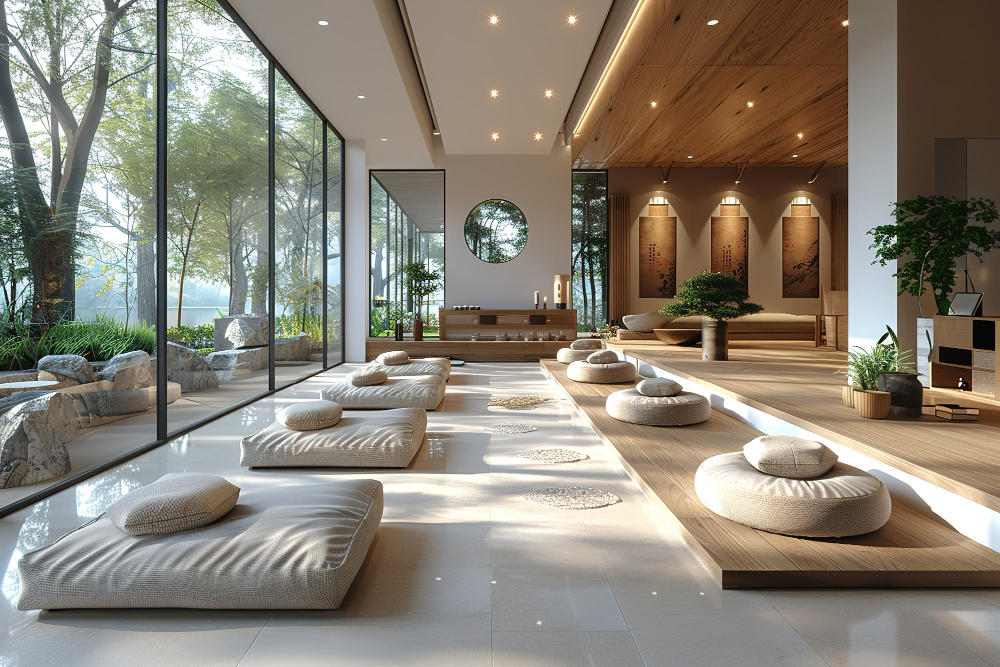





The definition of residential wellness is evolving as employers, healthcare leaders, and aging populations place greater emphasis on preventive healthcare, longevity, and quality of life. Traditional luxury living has historically focused on exclusivity, aesthetics, amenities, and status-driven experiences. In contrast, wellness living environments are increasingly designed around health optimization, social connection, active aging, and integrated well-being strategies. This shift reflects broader changes in workforce demographics, healthcare utilization patterns, and long-term population health priorities.
For healthcare decision-makers and benefits leaders, the topic is becoming strategically relevant because living environments can influence physical activity, stress levels, sleep quality, social isolation, and healthcare engagement. Organizations are increasingly evaluating how environmental and lifestyle factors affect workforce resilience, executive performance, retirement readiness, and long-term healthcare costs. The aging of professional populations, combined with rising chronic disease burdens, has also elevated interest in residential models that may support healthier aging trajectories.
Wellness-oriented communities are now part of larger discussions surrounding longevity medicine, healthy workforce ecosystems, and preventive care infrastructure. These models intersect with corporate wellness strategy because employees and retirees increasingly expect environments that support mental, physical, and social well-being rather than simply offering premium amenities. As workforce health becomes a strategic business issue rather than solely a benefits concern, residential wellness concepts are gaining attention across multiple industries.
Clear Explanation of the Concept
Wellness living refers to residential environments intentionally designed to support physical health, mental well-being, social engagement, preventive healthcare, and healthy aging. These communities often integrate features such as walkability, air and water quality standards, fitness programming, nutrition access, restorative spaces, social connection opportunities, and health-oriented design principles. The core objective is not merely comfort or prestige, but the creation of environments that may positively influence long-term health outcomes and quality of life.
Traditional luxury living, by comparison, has typically prioritized exclusivity, aesthetics, concierge services, premium finishes, and high-end lifestyle experiences. While luxury residences may include spas, fitness centers, or wellness amenities, these features are often secondary to the broader emphasis on status, convenience, and lifestyle branding. Wellness living places health outcomes and behavioral support closer to the center of the residential model itself.
Importantly, wellness living is not synonymous with medical care or clinical treatment. It does not replace healthcare systems, physician oversight, or evidence-based medical interventions. Rather, it represents an environmental and lifestyle-oriented framework that may complement preventive healthcare strategies and healthy aging initiatives. For employers and healthcare stakeholders, this distinction matters because residential environments increasingly influence population health patterns, productivity, and long-term healthcare utilization.
The growing interest in wellness living also reflects changing consumer and workforce expectations. Professionals nearing retirement, remote workers, globally mobile executives, and aging populations are increasingly evaluating whether living environments support cognitive health, social engagement, mobility, and stress management. This evolution is reshaping how residential communities are conceptualized within broader health and wellness ecosystems.
How the Concept Differs From Related Ideas
Wellness living is often confused with luxury real estate because both may include premium amenities and elevated lifestyle experiences. However, the underlying philosophy differs significantly. Traditional luxury living generally emphasizes prestige, exclusivity, and comfort, whereas wellness living emphasizes measurable support for healthier daily behaviors and long-term well-being.
The concept also differs from hospitality-focused wellness experiences such as spas or short-term retreats. Wellness living is intended to integrate health-supportive environments into everyday life rather than offering temporary or episodic wellness experiences. The focus is on sustained routines, community engagement, and environmental design rather than occasional indulgence.
Wellness living should also be distinguished from senior care or assisted living models. Although some wellness-oriented communities may cater to older populations, the concept itself is broader and increasingly appeals to professionals, remote workers, executives, and multigenerational households. The emphasis is on proactive health support rather than dependency-based care.
Another common misconception is that wellness living primarily concerns fitness facilities or healthy dining options. In reality, the model encompasses a wider ecosystem that may include biophilic architecture, sleep-supportive design, social engagement structures, mental wellness programming, environmental sustainability, and preventive health integration. These elements collectively shape daily living experiences rather than functioning as isolated amenities.
Finally, wellness living differs from purely technology-driven smart homes. While technology can support wellness objectives through monitoring, automation, or environmental optimization, the broader concept focuses on human-centered living environments and behavioral support systems rather than technological novelty alone.
Key Components or Core Elements
- Health-Oriented Environmental Design
Wellness living environments are typically designed to support healthier daily routines and reduce environmental stressors. This may include natural lighting, improved air quality systems, walkable layouts, green spaces, and architecture intended to support cognitive and emotional well-being. - Preventive Healthcare Integration
Many wellness-focused residential models emphasize proactive health management rather than reactive care utilization. Preventive screenings, health education, recovery-focused amenities, and lifestyle-supportive programming are often integrated into the broader residential experience. - Social Connection and Community Engagement
Social isolation is increasingly recognized as a major public health concern with implications for mental and physical health. Wellness communities often prioritize social interaction, communal programming, shared spaces, and intergenerational engagement to help strengthen social well-being. - Movement and Physical Activity Infrastructure
Traditional luxury developments may include gyms as lifestyle amenities, but wellness living often embeds movement into the built environment itself. Walkability, outdoor recreation access, active design principles, and structured wellness programming can help encourage sustained physical activity. - Nutrition and Lifestyle Support
Food environments and nutritional accessibility are frequently incorporated into wellness-oriented communities. This may include healthy dining concepts, nutrition education, access to fresh foods, and lifestyle programming aligned with preventive healthcare goals. - Mental Wellness and Stress Reduction
Mental health support is becoming a central component of residential wellness strategy. Quiet spaces, mindfulness programming, restorative environments, and stress-conscious design principles are increasingly incorporated into wellness living models. - Longevity and Healthy Aging Focus
Some wellness living environments are explicitly designed around healthy aging principles and longevity-oriented lifestyles. These communities may emphasize mobility, cognitive engagement, social participation, and health optimization strategies that support independence and long-term quality of life.
Strategic Implications for Employers, Payers, and Workforce Decision-Makers
The growing interest in wellness living has implications beyond residential real estate because living environments increasingly affect workforce health, healthcare costs, and productivity. Employers are becoming more aware that employee well-being is influenced by environmental and social determinants that extend far beyond the workplace itself. Housing environments can shape sleep quality, stress levels, physical activity patterns, and social engagement, all of which may influence workforce resilience and long-term health outcomes.
For organizations managing aging workforces, wellness-oriented living environments may become increasingly relevant within retirement planning and executive wellness strategies. Employers are already investing heavily in preventive healthcare and employee well-being programs, and residential wellness concepts may eventually become part of broader conversations about sustainable aging and workforce longevity. The topic is particularly relevant for industries with high levels of burnout, executive stress, or globally mobile talent populations.
Healthcare payers and benefits leaders are also evaluating how environmental and lifestyle interventions may influence long-term claims risk. Chronic disease management, behavioral health challenges, and social isolation continue to drive significant healthcare expenditures across employer-sponsored plans. Residential environments that support preventive health behaviors may contribute to broader health engagement strategies, although outcomes require careful evaluation and evidence-based assessment.
The topic also intersects with talent attraction and retention. Younger professionals and experienced executives increasingly prioritize quality of life, wellness access, and flexible living arrangements when making career decisions. Residential wellness infrastructure may therefore become part of broader organizational discussions surrounding workforce experience and employer value propositions.
At a macro level, wellness living reflects broader shifts toward preventive healthcare models and holistic health ecosystems. Employers, insurers, and healthcare strategists are recognizing that long-term population health is influenced by daily living environments as much as by episodic clinical care.
Implications for Executive Health, Remote Work, Global Mobility, or Talent Strategy
The rise of remote and hybrid work has increased attention on how living environments affect productivity, stress management, and overall well-being. Professionals who spend more time working from home are increasingly evaluating whether their residential environments support concentration, recovery, movement, and mental health. Wellness-oriented communities may therefore become more attractive to distributed workforces seeking integrated lifestyle support.
Executive populations may also view wellness living as part of a broader longevity and performance strategy. Senior leaders often face sustained stress, extensive travel demands, and elevated burnout risk, making environmental wellness factors increasingly relevant. Residential settings that support restorative routines and preventive health behaviors may contribute to long-term executive resilience.
Global mobility trends also influence interest in wellness-focused residential environments. International professionals, retirees, and globally mobile executives are increasingly assessing healthcare accessibility, healthy aging infrastructure, and quality-of-life considerations when evaluating relocation options. Wellness living communities may align with these priorities in ways traditional luxury developments do not always address.
From a talent strategy perspective, organizations may eventually consider how residential wellness ecosystems intersect with recruitment, retention, and workforce sustainability. Employees increasingly expect employers to recognize the broader determinants of well-being rather than focusing exclusively on workplace-based wellness initiatives. Residential wellness may therefore become part of larger conversations surrounding employee experience and organizational culture.
The concept is particularly relevant for industries competing for highly skilled professionals who prioritize flexibility, lifestyle quality, and holistic well-being. As workforce expectations evolve, wellness-oriented living environments may influence how organizations think about long-term workforce planning.
Implications for Payers, Benefits Leaders, and Healthcare Decision-Makers
Payers and healthcare decision-makers are increasingly focused on preventive healthcare models that address long-term health risks before they escalate into costly interventions. Wellness living aligns conceptually with this shift because environmental and behavioral factors play a substantial role in chronic disease development and healthcare utilization patterns. Residential settings that encourage physical activity, stress reduction, and social connection may support broader population health goals.
Benefits leaders are also evaluating how social determinants of health affect employee outcomes and claims patterns. Housing quality, access to wellness infrastructure, and community engagement opportunities can influence mental health, chronic disease management, and healthcare engagement behaviors. Wellness living environments may therefore become relevant within broader discussions surrounding holistic workforce health strategy.
Another important consideration is healthy aging. As populations live longer and retirement periods extend, healthcare systems and employers face growing pressure to support aging populations more sustainably. Wellness-oriented living models may help encourage independence, mobility, and social participation among older adults, potentially reducing certain long-term care pressures.
However, healthcare stakeholders must also approach the concept carefully and critically. Not all wellness claims are evidence-based, and residential wellness models vary widely in quality, accessibility, and measurable outcomes. Decision-makers should distinguish between substantive health-supportive design and purely marketing-driven wellness positioning.
The topic also intersects with health equity concerns. Wellness-focused residential environments should not become accessible only to high-income populations. Healthcare leaders increasingly recognize that preventive wellness infrastructure must be scalable and inclusive if it is to contribute meaningfully to broader public health goals.
Risks, Limitations, and Ethical Considerations
Despite growing interest in wellness living, the concept carries several important risks and limitations that organizations should evaluate carefully. One concern is the potential for overclaiming health benefits without sufficient evidence. While environmental design can influence health behaviors, residential wellness environments should not be presented as guaranteed solutions for chronic disease prevention or longevity outcomes.
Accessibility and affordability also remain significant concerns. Many wellness-oriented residential developments currently target affluent populations, which may reinforce disparities in access to health-supportive environments. If wellness living becomes associated primarily with exclusivity, its broader public health value may be limited.
Privacy and data governance represent another important issue. Some wellness-oriented communities incorporate health technologies, monitoring systems, or biometric tracking tools that raise legitimate concerns regarding data ownership, consent, and surveillance. Organizations evaluating wellness ecosystems should ensure appropriate governance and transparency regarding personal health information.
There is also a risk of excessive medicalization of everyday life. Wellness living environments should support healthy behaviors without creating unrealistic expectations or constant optimization pressures. Overemphasis on self-tracking, performance metrics, or lifestyle perfection can contribute to stress and disengagement rather than improved well-being.
Finally, the quality and evidence standards across wellness living models vary considerably. Some communities incorporate evidence-informed design and preventive health principles, while others rely heavily on branding language without meaningful health integration. Healthcare decision-makers and employers should therefore conduct rigorous due diligence rather than relying solely on marketing narratives.
What Organizations Should Evaluate
Organizations exploring wellness living concepts should begin by evaluating the evidence supporting specific health claims and design principles. Not all wellness-oriented features are equally validated, and decision-makers should distinguish between evidence-informed interventions and trend-driven amenities. Independent assessment frameworks and measurable outcomes are essential.
Population fit is another important consideration. Workforce demographics, employee needs, geographic distribution, and retirement planning objectives should all influence how organizations assess wellness-oriented living environments. A model that appeals to aging executives may not align with the priorities of younger or highly mobile workforce segments.
Governance and privacy standards should also be reviewed carefully. Communities incorporating health technologies or wellness monitoring systems should demonstrate clear policies regarding data use, employee privacy, and informed consent. Transparency is critical to maintaining trust.
Organizations should additionally evaluate scalability and inclusivity. Wellness-oriented living environments should not be viewed solely as premium offerings for limited populations. Employers and healthcare stakeholders may achieve greater long-term impact by focusing on broadly accessible environmental wellness principles that support diverse workforce groups.
Measurement strategies are equally important. Decision-makers should consider how to evaluate outcomes related to engagement, preventive healthcare utilization, stress reduction, social connection, and overall workforce health. Without clear metrics, it becomes difficult to assess whether wellness-oriented living models meaningfully support organizational health objectives.
Future Outlook and Emerging Trends
Over the next several years, wellness living is likely to become more integrated with broader discussions surrounding longevity, preventive healthcare, and aging populations. As healthcare systems increasingly emphasize prevention and lifestyle-oriented interventions, residential environments may play a more visible role within population health strategies. This shift could influence both private-sector development and public health planning.
Technology will likely continue shaping wellness-oriented living models, although successful integration will depend on balancing innovation with privacy and human-centered design. Smart environmental systems, health monitoring tools, and personalized wellness support may become more common, but organizations will need to address ethical and governance concerns carefully.
The relationship between remote work and residential wellness is also expected to evolve. Distributed workforces have increased awareness of how home environments influence productivity, stress, and overall health. Wellness-focused communities may therefore become increasingly relevant for professionals seeking integrated work-life-health ecosystems.
Demographic shifts will also play a major role. Aging populations, extended retirement periods, and rising chronic disease prevalence are increasing demand for environments that support healthy aging and independence. Wellness living models may expand beyond luxury-oriented segments toward more mainstream preventive health applications.
Another emerging trend is the growing intersection between residential wellness, sustainability, and environmental health. Air quality, green infrastructure, climate resilience, and biophilic design are increasingly viewed as interconnected components of long-term well-being. Future wellness living models may therefore place greater emphasis on ecological and community-level health factors.
Educational Closing Perspective
The distinction between wellness living and traditional luxury living reflects broader changes in how organizations and individuals think about health, aging, and quality of life. While traditional luxury models often emphasize exclusivity and premium experiences, wellness-oriented environments increasingly focus on preventive health, behavioral support, social connection, and long-term well-being. This evolution aligns with growing recognition that living environments influence physical health, mental resilience, and healthcare engagement over time.
For employers, healthcare strategists, and benefits leaders, the topic is becoming relevant because workforce health extends far beyond workplace boundaries. Residential environments can shape many of the lifestyle patterns associated with productivity, stress management, chronic disease risk, and healthy aging. As organizations continue expanding their focus on preventive healthcare and workforce sustainability, wellness-oriented living models may become part of broader discussions surrounding employee well-being and longevity strategy.
At the same time, careful evaluation remains essential. Wellness living should not be viewed as a universal solution or a substitute for evidence-based healthcare. Organizations should approach the concept with appropriate scrutiny regarding outcomes, accessibility, governance, inclusivity, and long-term value.
The future of wellness-oriented living will likely depend on whether these models can evolve beyond niche positioning and contribute meaningfully to healthier, more sustainable living environments across broader populations. Decision-makers exploring this space should prioritize evidence-informed strategies that support both individual well-being and long-term public health objectives. Professionals seeking additional perspective on wellness-oriented residential concepts and longevity-focused living environments can review this resource as part of a broader evaluation process.
