


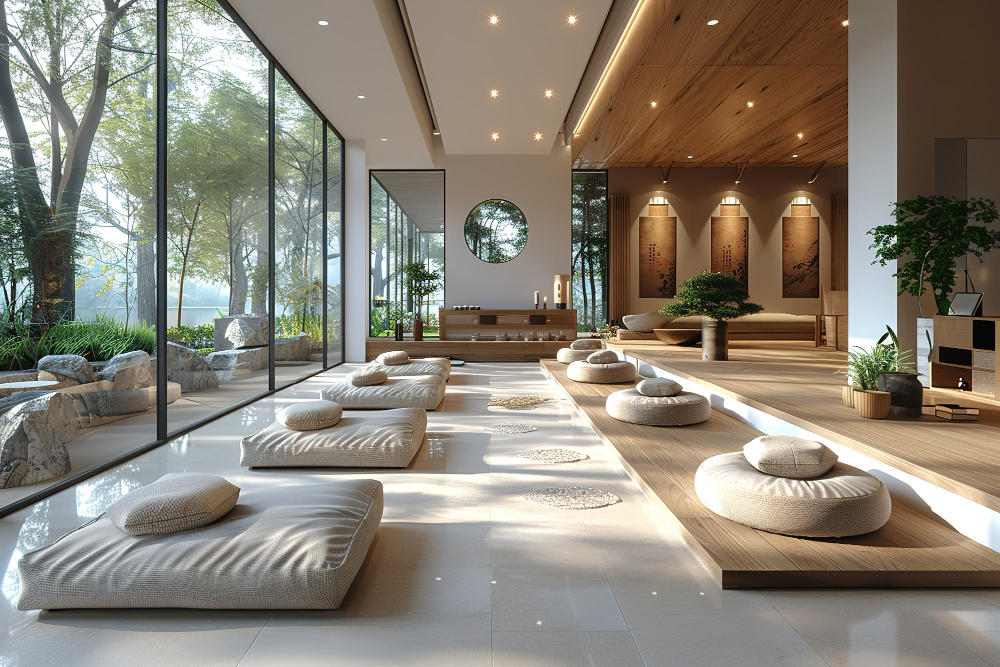





Luxury wellness real estate has emerged as one of the fastest-evolving intersections between healthcare, hospitality, residential development, and preventive wellness strategy. In South Florida, this trend has accelerated due to demographic shifts, rising consumer interest in longevity-focused lifestyles, and increased demand for integrated health-oriented living environments. While wellness-centered communities were once viewed primarily as lifestyle amenities for affluent buyers, they are increasingly being evaluated through the lens of workforce resilience, executive wellbeing, aging populations, and long-term healthcare utilization.
For employers and healthcare decision-makers, the broader implications extend beyond residential preferences. Wellness-oriented environments may influence stress management, sleep quality, physical activity, social connection, and access to preventive healthcare services. As organizations place greater emphasis on employee wellbeing, retention, and productivity, the built environment itself is becoming part of the healthcare conversation. This is particularly relevant in regions with high concentrations of remote executives, retirees, entrepreneurs, and globally mobile professionals.
South Florida has become a focal point for this evolution because of its combination of climate, healthcare infrastructure, international connectivity, and luxury residential development activity. The region increasingly attracts individuals seeking environments aligned with preventive healthcare, active aging, and longevity-focused living. As a result, wellness real estate is transitioning from a niche concept into a strategic area of interest for developers, employers, insurers, and healthcare planners alike.
Clear Explanation of the Concept
Luxury wellness real estate refers to residential developments intentionally designed to support physical, mental, emotional, and social wellbeing through integrated environmental, architectural, technological, and healthcare-oriented features. These communities often incorporate elements such as air and water quality systems, fitness and recovery facilities, biophilic design, preventive health programming, walkability, nutrition-oriented amenities, and access to wellness services. The goal is not merely to provide luxury accommodations, but to create environments that may support healthier daily behaviors and long-term quality of life.
Importantly, wellness real estate differs from traditional luxury residential development. Conventional luxury housing often emphasizes exclusivity, aesthetics, and recreational amenities, while wellness-oriented developments prioritize health-supportive infrastructure and behavioral design principles. This can include circadian lighting systems, advanced filtration technologies, noise reduction, active design layouts, green space integration, and spaces intended to promote stress reduction and social engagement.
The concept also differs from medicalized residential care or clinical environments. Wellness real estate is generally not intended to replace healthcare delivery systems or medical treatment. Instead, it operates within the broader framework of preventive healthcare and lifestyle optimization. Many projects position themselves around the idea that residential environments can either support or undermine long-term health outcomes.
For employers and workforce health strategists, this topic is increasingly relevant because living conditions influence productivity, absenteeism, mental wellbeing, and healthcare utilization patterns. Organizations evaluating executive relocation strategies, remote work ecosystems, or global talent retention may view wellness-oriented housing as one component of broader employee wellbeing infrastructure. Similarly, insurers and benefits leaders are beginning to examine how lifestyle-supportive environments could potentially influence population health trends over time.
How the Concept Differs From Related Ideas
Luxury wellness real estate is often confused with hospitality-focused wellness tourism, but the two concepts operate differently. Wellness tourism generally involves short-term travel experiences centered around relaxation, spa services, or temporary health retreats. Wellness real estate, by contrast, focuses on permanent or semi-permanent living environments intended to shape everyday health behaviors over the long term.
The concept also differs from senior living or retirement communities. Although some wellness-oriented developments attract older demographics interested in longevity and active aging, wellness real estate is increasingly targeting working professionals, entrepreneurs, remote executives, and multigenerational households. Many projects emphasize performance optimization, preventive health, and lifestyle integration rather than age-specific care services.
Another common misconception is that wellness real estate is simply high-end fitness-centered housing. While fitness amenities are often included, the broader model incorporates environmental health, mental wellbeing, social connection, nutrition access, recovery support, and technology-enabled health monitoring. The emphasis is typically on holistic wellbeing rather than isolated recreational features.
The category also differs from traditional smart homes. Smart home technologies may support convenience and automation, but wellness real estate incorporates technologies specifically intended to improve health-supportive living conditions. Examples may include environmental monitoring systems, sleep-supportive lighting, air purification, and recovery-focused infrastructure integrated into residential design.
Finally, wellness real estate should not be viewed solely as a luxury consumer trend. Increasingly, urban planners, healthcare strategists, and corporate wellness leaders are exploring how environmental design influences long-term health outcomes across broader populations. This has positioned wellness-oriented development within larger conversations around preventive healthcare, healthy aging, and sustainable workforce health strategy.
Key Components or Core Elements
- Health-Supportive Environmental Design
Wellness-oriented developments often prioritize air quality, natural lighting, acoustics, water filtration, and thermal comfort. These design considerations are increasingly linked to discussions around cognitive performance, sleep quality, respiratory health, and stress management. - Integrated Preventive Wellness Infrastructure
Many developments include spaces dedicated to fitness, recovery, mindfulness, nutrition, and preventive wellness programming. The intention is to make healthier daily behaviors more accessible and easier to sustain over time. - Biophilic and Nature-Oriented Planning
Green space integration, waterfront access, walking paths, and natural materials are common components of wellness real estate design. Research continues to associate nature exposure with mental wellbeing, reduced stress, and improved quality of life. - Technology-Enabled Health Optimization
Some communities incorporate wellness technologies such as environmental sensors, circadian lighting systems, smart recovery spaces, and health-monitoring integrations. These technologies are increasingly positioned as tools that may support healthier living environments rather than simply offering convenience. - Social Connectivity and Community Design
Social isolation has become a growing public health concern, particularly among aging populations and remote workers. Wellness-oriented developments often attempt to foster community interaction through shared wellness spaces, programming, and collaborative environments. - Longevity and Active Aging Orientation
Many wellness real estate projects increasingly align themselves with broader longevity and healthy aging trends. This includes emphasizing mobility, preventive health access, resilience, and lifestyle factors associated with maintaining independence and long-term vitality. - Access to Wellness and Healthcare Ecosystems
Proximity to healthcare infrastructure, wellness services, and preventive health resources is often considered a strategic advantage. In some cases, developments may integrate partnerships with wellness providers or healthcare professionals while remaining outside traditional clinical care models.
Strategic Implications for Employers, Payers, and Workforce Decision-Makers
The rise of wellness real estate has important implications for organizations focused on workforce health, executive wellbeing, and long-term healthcare cost management. Employers increasingly recognize that employee health outcomes are shaped not only by clinical care access, but also by environmental and lifestyle conditions. Housing environments may influence stress levels, physical activity, sleep patterns, and social engagement, all of which affect workforce performance and resilience.
For companies with distributed or hybrid workforces, residential wellness environments are becoming more strategically relevant. Remote work has blurred traditional boundaries between workplace wellness and personal living conditions. As a result, organizations may increasingly evaluate how housing ecosystems support productivity, engagement, and mental wellbeing for employees operating outside centralized offices.
Executive relocation strategies are also evolving in response to these trends. South Florida has emerged as a destination for executives, entrepreneurs, and globally mobile professionals seeking climates and lifestyles associated with wellbeing and longevity. This demographic shift may influence talent attraction strategies, leadership retention, and regional workforce planning.
Healthcare purchasers and insurers are similarly paying closer attention to non-clinical determinants of health. Although wellness real estate alone cannot replace evidence-based healthcare interventions, supportive living environments may contribute to preventive health engagement and healthier daily routines. Over time, this could influence broader conversations around population health management and healthcare utilization.
The trend also intersects with broader discussions about healthy aging and workforce longevity. As populations age and retirement timelines shift, employers may increasingly evaluate strategies that support sustained productivity, cognitive resilience, and quality of life across longer careers. Wellness-oriented residential ecosystems may become part of that larger strategic framework.
Implications for Executive Health, Remote Work, Global Mobility, or Talent Strategy
Executive populations often face elevated stress exposure, demanding schedules, disrupted sleep patterns, and frequent travel obligations. Wellness-oriented residential environments may help address some of these challenges by integrating recovery-supportive infrastructure directly into daily living settings. This can include quieter environments, access to wellness amenities, walkability, and spaces designed to support physical and mental restoration.
Remote work has amplified the importance of residential wellbeing because employees increasingly spend larger portions of their lives within home-based environments. Organizations focused on distributed workforce performance may begin evaluating how residential infrastructure influences productivity, burnout risk, and employee engagement. This is particularly relevant for knowledge workers and executive leadership teams operating in high-demand environments.
Global mobility trends also contribute to the growth of wellness real estate in regions like South Florida. International professionals, entrepreneurs, and retirees often seek destinations offering both lifestyle appeal and access to high-quality wellness and healthcare ecosystems. Residential developments positioned around preventive wellness and longevity may therefore become increasingly attractive to globally mobile populations.
Talent attraction strategies may evolve alongside these demographic changes. Younger professionals and executive candidates increasingly prioritize wellbeing, flexibility, and quality of life when evaluating relocation opportunities. Residential ecosystems that align with these priorities may indirectly influence employer competitiveness in certain labor markets.
At the same time, organizations should avoid assuming that wellness-oriented environments automatically translate into improved workforce outcomes. The relationship between housing conditions, health behaviors, and performance remains complex and highly individualized. Effective workforce wellbeing strategies still require evidence-based programming, organizational culture alignment, and accessible healthcare support.
Implications for Payers, Benefits Leaders, and Healthcare Decision-Makers
Payers and benefits leaders are increasingly focused on preventive healthcare models that address behavioral and environmental determinants of health. Wellness-oriented residential environments align conceptually with this shift because they attempt to support healthier daily routines outside traditional clinical settings. Although direct evidence remains evolving, some healthcare strategists view these environments as complementary to broader prevention-focused initiatives.
Mental health considerations are particularly relevant in this context. Chronic stress, social isolation, sedentary behavior, and poor sleep are associated with rising healthcare utilization and workforce challenges. Residential environments that support movement, social connection, and restorative experiences may contribute positively to employee wellbeing strategies when combined with appropriate healthcare access.
Benefits leaders may also consider how wellness real estate trends intersect with aging workforce demographics. Longer life expectancy and delayed retirement patterns create pressure for more sustainable approaches to healthy aging and workforce participation. Environments emphasizing preventive health, mobility, and lifestyle optimization may become increasingly relevant within broader longevity planning discussions.
Healthcare purchasers should nevertheless maintain realistic expectations regarding measurable outcomes. Wellness-oriented housing alone cannot resolve complex public health challenges or substitute for evidence-based medical care. Rigorous evaluation frameworks remain necessary when assessing potential health impacts or organizational relevance.
Equity considerations are also important. Luxury wellness real estate primarily serves higher-income populations, which raises broader questions about access disparities and the uneven distribution of health-supportive environments. Policymakers and healthcare strategists may increasingly examine how wellness-oriented design principles could be adapted more broadly across different housing segments.
Risks, Limitations, and Ethical Considerations
Despite growing interest, luxury wellness real estate presents several important limitations and ethical considerations. One major concern involves overclaiming health benefits without sufficient long-term evidence. While certain environmental design features are associated with improved wellbeing, direct causal relationships between wellness-oriented housing and measurable health outcomes are often difficult to establish conclusively.
Accessibility and socioeconomic equity also remain significant issues. Many wellness-oriented developments are positioned at premium price points, limiting access to affluent populations. This raises broader concerns about whether health-supportive living environments could become increasingly stratified by income level.
Privacy and data governance represent another area of concern, particularly as smart wellness technologies become more integrated into residential environments. Environmental monitoring systems, biometric tracking, and digital wellness platforms may collect sensitive data that requires careful governance and transparency. Organizations evaluating partnerships or workforce-related initiatives should ensure appropriate safeguards are in place.
There is also a risk of medicalization within residential environments. Some wellness developments increasingly blur the line between lifestyle support and quasi-clinical positioning. Without appropriate oversight and evidence standards, this may contribute to unrealistic expectations regarding health optimization or longevity outcomes.
Finally, variability in quality and standards remains an ongoing challenge within the wellness real estate sector. The market currently lacks universally accepted definitions or evidence frameworks for what constitutes meaningful wellness-oriented design. Decision-makers should therefore approach claims carefully and prioritize due diligence over branding narratives.
What Organizations Should Evaluate
Organizations exploring wellness-oriented residential trends should begin with clear strategic objectives rather than lifestyle positioning alone. Employers, insurers, and healthcare stakeholders should assess whether specific residential wellness features align with measurable workforce health goals, preventive healthcare priorities, or executive wellbeing strategies.
Evidence standards are particularly important. Decision-makers should evaluate whether proposed wellness features are supported by credible environmental health, behavioral science, or preventive healthcare research. Marketing language should not substitute for measurable design standards or validated outcomes.
Population fit also matters significantly. Workforce demographics, geographic distribution, age profiles, and employee preferences should inform any consideration of wellness-oriented housing strategies. What appeals to executive populations or remote professionals may not necessarily align with broader workforce needs.
Governance and privacy considerations require careful attention as technology-enabled wellness features become more prevalent. Organizations should assess how resident data is collected, stored, protected, and potentially shared. Transparent governance frameworks are essential to maintaining trust and minimizing ethical risks.
Scalability and inclusivity should also remain central considerations. Wellness-oriented design principles may hold value beyond luxury development contexts if adapted thoughtfully across broader residential and workforce environments. Decision-makers should evaluate whether health-supportive design concepts can be integrated more equitably and sustainably over time.
Future Outlook and Emerging Trends
The wellness real estate sector is likely to continue evolving as preventive healthcare, longevity science, and environmental health gain greater attention within mainstream healthcare strategy. South Florida is expected to remain a significant hub for these developments due to demographic migration patterns, climate appeal, and ongoing luxury residential investment.
Longevity-focused positioning will likely become increasingly prominent. As public interest in healthy aging expands, residential environments may increasingly incorporate features intended to support mobility, cognitive health, recovery, and resilience across longer lifespans. This trend may further blur the boundaries between residential development, wellness services, and preventive healthcare ecosystems.
Technology integration is also expected to accelerate. Future developments may include more sophisticated environmental monitoring, personalized wellness systems, recovery infrastructure, and digital health integrations. However, these advancements will likely increase scrutiny around data governance, evidence standards, and ethical implementation.
Climate resilience may become another defining factor in wellness-oriented real estate planning. In regions vulnerable to environmental stressors, future wellness developments may increasingly emphasize air quality resilience, sustainable infrastructure, water management, and disaster preparedness as components of long-term wellbeing.
Corporate wellness and workforce health strategies may also evolve alongside these residential trends. Employers and healthcare purchasers are increasingly recognizing that wellbeing extends beyond workplace interventions alone. Housing, community infrastructure, and environmental health may become more integrated into broader conversations about preventive healthcare and workforce sustainability.
Educational Closing Perspective
The rise of luxury wellness real estate in South Florida reflects broader shifts in how individuals, employers, and healthcare leaders think about the relationship between environment and health. Increasingly, the built environment is being evaluated not only through financial or aesthetic lenses, but also through its potential influence on preventive health behaviors, stress management, longevity, and workforce resilience. While many claims within the sector still require stronger evidence and clearer standards, the underlying focus on healthier living ecosystems aligns with growing interest in proactive, lifestyle-oriented approaches to wellbeing.
For employers and healthcare decision-makers, this trend highlights the expanding scope of workforce health strategy. Employee wellbeing is no longer confined to clinical care access or workplace programming alone. Residential environments, community infrastructure, and social determinants of health are becoming more central to conversations about productivity, retention, and long-term healthcare sustainability.
The evolution of wellness-oriented residential development also raises important questions about accessibility, equity, governance, and evidence-based implementation. Organizations should approach the space thoughtfully, balancing innovation with realistic expectations and rigorous evaluation standards. As the lines between healthcare, wellness, housing, and lifestyle continue to converge, strategic planning will require increasingly interdisciplinary perspectives.
At the same time, wellness real estate may offer useful insights into how future communities could better support healthier aging, preventive wellness, and long-term quality of life. The broader significance of the trend may ultimately extend beyond luxury housing itself and influence future thinking around urban planning, workforce wellbeing, and preventive healthcare ecosystems.
Professionals exploring the intersection of longevity-focused living environments and wellness-oriented residential strategy can review this resource as part of a broader due diligence process.
