


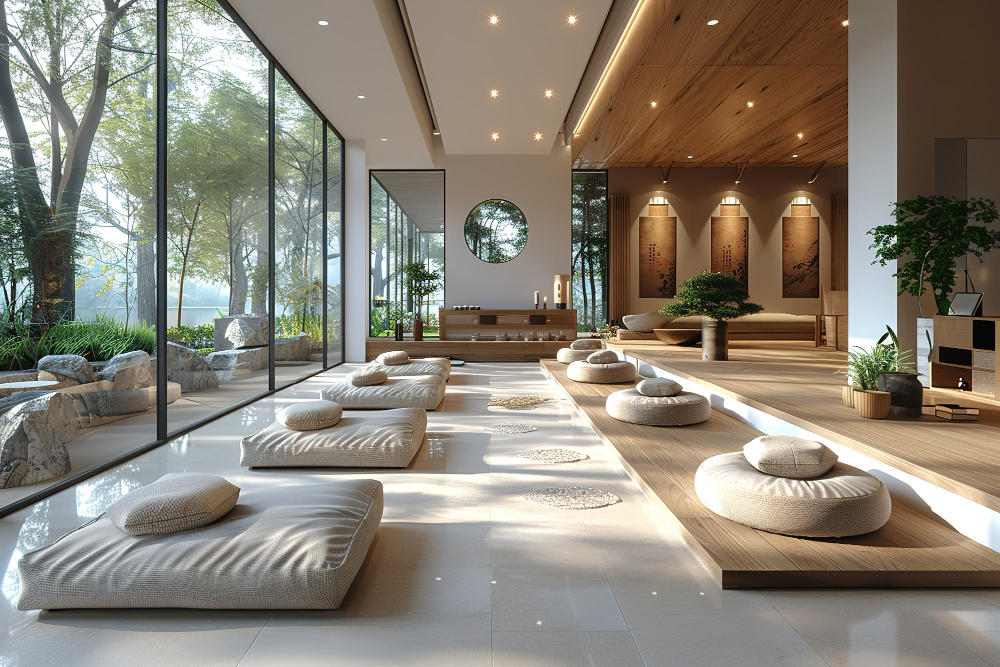





The intersection of real estate, preventive healthcare, and longevity strategy is becoming increasingly relevant to employers, insurers, workforce planners, and healthcare decision-makers. Oceanfront wellness residences represent a broader shift toward built environments designed to support long-term physical, mental, and cognitive health rather than simply provide premium housing amenities. As workforce demographics evolve and executive burnout, chronic disease risk, and healthcare costs continue to rise, organizations are paying closer attention to how lifestyle environments influence productivity, resilience, and long-term wellbeing.
The concept also reflects growing demand for integrated wellness ecosystems that combine residential living with health-oriented infrastructure, recovery environments, movement-focused design, nutrition access, and preventive care services. For senior leaders and globally mobile professionals, the ability to access wellness-oriented living arrangements may increasingly become part of broader executive health and talent retention strategies. At the same time, aging populations and rising interest in healthy longevity are changing how healthcare stakeholders think about housing, preventive care, and lifestyle medicine.
Oceanfront settings have become particularly associated with wellness-oriented development due to their connection to environmental quality, physical activity opportunities, stress reduction, and restorative living experiences. However, the long-term significance of these residences extends beyond location alone. They illustrate how healthcare, hospitality, architecture, longevity science, and lifestyle management are converging into a new category of wellness-centered living environments.
For employers and healthcare purchasers, understanding these developments is no longer solely a real estate discussion. It increasingly relates to workforce sustainability, executive performance, preventive healthcare access, and long-term population health management.
Clear Explanation of the Concept
Oceanfront wellness residences are residential communities intentionally designed around health optimization, preventive healthcare principles, and lifestyle-oriented wellbeing infrastructure. Unlike traditional luxury residential developments that prioritize aesthetics and exclusivity alone, wellness residences typically integrate health-supportive design features, environmental considerations, movement-oriented spaces, nutrition access, recovery environments, and in some cases, proximity to preventive or longevity-focused healthcare services.
These residences are not equivalent to medical facilities, hospitals, or retirement communities. They are also distinct from conventional luxury condominiums that merely include fitness amenities or spa services. Instead, the defining characteristic is the integration of health-supportive living principles into the physical environment, operational model, and resident experience.
The oceanfront component adds another layer to the concept. Coastal environments are frequently associated with reduced stress exposure, increased outdoor movement opportunities, improved air quality, and enhanced psychological wellbeing. While these benefits should not be overstated or generalized, environmental design increasingly plays a recognized role in conversations about preventive health and quality of life.
For healthcare decision-makers, the relevance lies in how these environments may influence long-term health behaviors, stress management, social engagement, and lifestyle adherence. For employers and benefits leaders, the topic intersects with executive wellness, remote work flexibility, global mobility, and strategies aimed at supporting high-performing workforce populations.
The broader trend also aligns with rising interest in longevity medicine, healthy aging, and proactive health management. Increasingly, individuals are seeking living environments that support healthspan rather than simply accommodate illness later in life.
How the Concept Differs From Related Ideas
Oceanfront wellness residences differ significantly from traditional luxury real estate because the primary value proposition extends beyond prestige, views, or recreational amenities. The focus is increasingly centered on integrated wellbeing, preventive lifestyle support, and environmental health considerations. While luxury properties may include wellness features incidentally, wellness residences position health-supportive living as a core organizing principle.
They also differ from hospitality-oriented wellness retreats. Retreats are generally temporary experiences designed for short-term recovery or lifestyle immersion, whereas wellness residences are intended for sustained long-term living. This distinction matters because long-term behavioral consistency often plays a greater role in preventive healthcare outcomes than intermittent wellness experiences.
The concept should also not be confused with senior living or assisted care environments. Wellness residences are often designed for a broad demographic that includes working professionals, executives, retirees, entrepreneurs, and globally mobile individuals seeking proactive health-oriented lifestyles. The emphasis is typically on vitality, resilience, and healthy longevity rather than dependency or clinical management.
Additionally, wellness residences differ from purely medicalized longevity programs. While some developments may incorporate access to health assessments or preventive services, the primary model is residential living rather than treatment delivery. This distinction is important from both an ethical and governance perspective, particularly when evaluating claims related to health optimization or lifespan extension.
Finally, the concept differs from conventional corporate wellness initiatives because it integrates health-supportive living directly into the resident environment itself. Rather than relying solely on workplace programs, it acknowledges that lifestyle determinants of health extend far beyond the office.
Key Components or Core Elements
- Health-Centered Architectural Design
Wellness residences often incorporate design principles intended to support natural movement, sleep quality, stress reduction, and environmental comfort. Features such as natural lighting, biophilic design, air quality systems, acoustics, and walkability are increasingly viewed as contributors to long-term wellbeing rather than purely aesthetic enhancements. - Preventive Wellness Infrastructure
Many wellness-oriented residential developments integrate spaces dedicated to physical activity, recovery, mindfulness, nutrition, and social engagement. The objective is not simply amenity expansion, but creating environments that may encourage sustained healthy behaviors over time. - Environmental and Coastal Integration
Oceanfront settings are frequently positioned as restorative environments due to access to outdoor movement opportunities, natural scenery, and reduced urban density. While environmental exposure alone should not be framed as a health intervention, the integration of nature into daily living may support stress management and psychological wellbeing. - Longevity and Healthy Aging Orientation
A growing number of wellness residences incorporate programming or services associated with healthy aging and longevity-focused lifestyles. This may include educational programming, wellness assessments, movement classes, nutritional support, or preventive health resources designed to encourage proactive self-management. - Flexible Living and Remote Work Compatibility
As hybrid and remote work models evolve, wellness residences increasingly accommodate professionals seeking environments that support productivity alongside recovery and wellbeing. Workspace design, digital connectivity, and lifestyle flexibility have become central considerations for globally mobile residents. - Community and Social Connectivity
Social isolation is increasingly recognized as a workforce health and aging concern. Wellness residences often emphasize community-oriented programming and shared experiences intended to support social interaction, engagement, and emotional wellbeing. - Integrated Wellness Governance
The operational model of wellness residences often includes structured programming, environmental standards, and coordinated wellness services. This governance component differentiates them from properties that simply market wellness-related amenities without broader health-oriented integration.
Strategic Implications for Employers, Payers, and Workforce Decision-Makers
The rise of wellness-oriented residential living has implications that extend beyond consumer preference or real estate investment trends. For employers and workforce strategists, these developments reflect broader changes in how professionals define quality of life, productivity, and sustainable performance. Increasingly, employee wellbeing is being shaped by environmental, behavioral, and lifestyle factors outside traditional workplace boundaries.
Organizations focused on executive retention and workforce resilience may need to consider how living environments influence burnout risk, recovery capacity, and long-term health engagement. Senior professionals often face chronic stress exposure, travel fatigue, and lifestyle-related health risks that cannot be addressed solely through conventional employee assistance programs or isolated wellness initiatives.
For insurers and healthcare purchasers, the concept raises important questions about preventive health engagement and lifestyle adherence. While residential environments alone cannot guarantee health outcomes, supportive ecosystems may help reduce barriers to healthy routines, physical activity, restorative sleep, and stress management. These factors are increasingly recognized as contributors to long-term healthcare utilization patterns.
The trend also intersects with global mobility and workforce decentralization. As high-skilled professionals gain geographic flexibility, organizations may increasingly compete not only on compensation, but also on quality-of-life ecosystems and health-supportive environments. Wellness-centered living communities may therefore become part of broader talent attraction and executive placement discussions.
Healthcare stakeholders are also monitoring how preventive living environments could influence population health trends over time. Although evidence remains evolving, there is growing interest in whether integrated lifestyle-supportive ecosystems can complement traditional healthcare delivery models.
Implications for Executive Health, Remote Work, Global Mobility, or Talent Strategy
Executive health is becoming more closely associated with sustained cognitive performance, stress resilience, and long-term vitality rather than short-term productivity alone. Oceanfront wellness residences align with this shift by emphasizing recovery-oriented environments and health-supportive daily routines. For organizations managing leadership succession and executive retention, the ability to support sustainable performance may become increasingly important.
Remote and hybrid work arrangements have further expanded interest in location-flexible living environments that combine professional functionality with wellbeing infrastructure. Professionals are no longer limited to choosing between urban business centers and lifestyle quality. Instead, many are seeking integrated environments that support both career continuity and personal health priorities.
Global mobility trends are also reshaping expectations around healthcare access and lifestyle quality. Executives, entrepreneurs, and internationally mobile professionals increasingly evaluate living environments through the lens of healthcare infrastructure, preventive wellness access, environmental quality, and long-term livability. This broader perspective is influencing residential development priorities in many markets.
Talent strategy implications may also emerge for organizations recruiting highly specialized or senior-level professionals. Lifestyle quality, family wellbeing, and healthy living opportunities can influence relocation decisions and long-term workforce satisfaction. As a result, wellness-oriented residential ecosystems may become indirectly connected to workforce competitiveness.
At the same time, organizations should avoid assuming that premium wellness environments automatically translate into improved workforce outcomes. Sustainable health engagement still depends on accessibility, behavior, culture, and broader organizational support systems.
Implications for Payers, Benefits Leaders, and Healthcare Decision-Makers
For payers and benefits leaders, wellness residences raise broader questions about the relationship between environmental determinants and healthcare utilization patterns. Preventive healthcare discussions are increasingly moving beyond clinical interventions toward integrated lifestyle ecosystems that support healthier routines and sustained engagement.
Benefits leaders may view these developments as part of a larger trend toward personalized and proactive health management. Individuals increasingly expect wellness support that integrates physical environment, mental wellbeing, movement, nutrition, recovery, and preventive health access. This expectation is influencing employee perceptions of health benefits and overall organizational culture.
Healthcare decision-makers are also examining whether wellness-oriented environments could support improved engagement with preventive care strategies. Environments that encourage movement, social interaction, stress reduction, and healthy routines may complement broader population health objectives, although outcomes should be evaluated carefully and realistically.
Health equity considerations remain important as well. Wellness-oriented living environments can create disparities if access is limited to higher-income populations. Benefits leaders and healthcare strategists may therefore face growing pressure to think more broadly about how environmental wellbeing principles can be adapted across more diverse workforce populations.
Data governance and measurement challenges also remain significant. While lifestyle environments may influence health behaviors, isolating their direct impact on claims costs, productivity, or long-term outcomes can be difficult. Decision-makers should therefore approach the concept with analytical rigor rather than assumption-driven optimism.
Risks, Limitations, and Ethical Considerations
Despite growing interest in wellness-oriented residential living, several limitations and ethical concerns require careful evaluation. One major concern is the potential for overstated health claims. Environmental quality and wellness amenities may support healthier behaviors, but they should not be portrayed as guaranteed solutions for chronic disease prevention, longevity extension, or mental health outcomes.
Access and affordability also present significant equity challenges. Many wellness residences are positioned within premium real estate markets, potentially limiting access to higher-income individuals while excluding broader workforce populations. This raises questions about whether wellness-oriented living models could unintentionally reinforce disparities in preventive health access.
Privacy and data governance issues are increasingly relevant as residential wellness ecosystems become more technologically integrated. Some developments may incorporate health tracking, biometric systems, or digital wellness platforms. Organizations and residents alike should carefully evaluate how health-related data is collected, stored, shared, and governed.
Another challenge involves the medicalization of lifestyle and housing environments. While preventive healthcare and healthy living are valuable objectives, there is a risk that ordinary lifestyle choices become excessively commercialized or framed through unrealistic optimization narratives. Decision-makers should distinguish between evidence-informed wellness practices and unsupported claims.
Quality variation across developments also remains significant. Not all wellness-oriented residences apply evidence-based design principles or maintain consistent operational standards. As the sector grows, governance frameworks and due diligence processes will become increasingly important.
What Organizations Should Evaluate
Organizations exploring wellness-oriented living trends should begin with a clear understanding of strategic objectives rather than lifestyle marketing narratives. Whether evaluating executive housing, relocation support, workforce wellness initiatives, or broader preventive health strategies, decision-makers should assess how these environments align with measurable organizational goals.
Evidence standards are especially important. Employers, insurers, and healthcare purchasers should evaluate whether wellness claims are supported by credible health, environmental, or behavioral evidence rather than anecdotal positioning. Long-term outcomes, engagement metrics, and sustainability considerations should all be part of the assessment process.
Governance and operational consistency also matter significantly. Wellness-oriented communities vary widely in quality, integration, and execution. Organizations should assess environmental standards, privacy policies, health service oversight, accessibility, and long-term operational sustainability.
Workforce population fit is another critical consideration. A wellness-oriented residential model that appeals to senior executives or globally mobile professionals may not align with the needs of broader employee populations. Decision-makers should therefore avoid assuming universal applicability across all workforce segments.
Measurement frameworks should also be established carefully. If organizations intend to connect wellness-oriented living initiatives to workforce health strategy, they should define realistic metrics related to engagement, retention, wellbeing, preventive health participation, or employee experience rather than relying on generalized assumptions about productivity or longevity.
Future Outlook and Emerging Trends
The future of wellness-oriented residential development will likely be shaped by several converging trends, including longevity science, preventive healthcare adoption, workforce decentralization, and evolving expectations around healthy living. As populations age and chronic disease burdens increase, demand for integrated lifestyle-supportive environments may continue to expand.
Technology integration will likely become more sophisticated, particularly in areas such as environmental monitoring, personalized wellness programming, recovery optimization, and digital health coordination. However, organizations and residents will increasingly demand stronger privacy protections and clearer governance standards around health-related data.
The relationship between residential living and healthcare delivery may also evolve further. Rather than separating housing, preventive care, and wellbeing infrastructure into distinct categories, future models may increasingly integrate these systems into coordinated living ecosystems focused on long-term health maintenance.
Corporate wellness strategy may likewise broaden beyond traditional workplace interventions. Employers are increasingly recognizing that workforce wellbeing is shaped by social, environmental, behavioral, and lifestyle determinants that extend beyond office settings. This may influence how organizations think about relocation policies, executive support programs, and workforce resilience planning.
Finally, sustainability and environmental health considerations are likely to become increasingly important. Future wellness-oriented residential models may place greater emphasis on climate resilience, environmental quality, walkability, and ecological design principles as part of broader health-oriented living strategies.
Educational Closing Perspective
Oceanfront wellness residences reflect a larger transformation in how health, lifestyle, environment, and long-term wellbeing are being integrated into modern living models. While the concept is often associated with luxury real estate, its broader significance lies in how it reframes preventive healthcare and healthy living as ongoing environmental experiences rather than isolated wellness activities. For employers, payers, and healthcare decision-makers, the trend offers insight into evolving expectations surrounding workforce resilience, executive wellbeing, healthy aging, and quality-of-life infrastructure.
The growing interest in wellness-centered living environments also highlights the expanding role of environmental determinants in preventive healthcare strategy. Access to restorative spaces, opportunities for movement, social engagement, and health-supportive design may increasingly influence how organizations approach workforce wellbeing and long-term population health. However, these developments should be evaluated with balanced expectations, evidence-informed analysis, and appropriate governance standards.
As longevity-focused lifestyles and preventive health strategies continue to evolve, residential environments are likely to play a more prominent role in broader conversations about sustainable health and quality of life. Decision-makers across healthcare, benefits, workforce strategy, and real estate sectors will need to assess how these trends intersect with accessibility, equity, health outcomes, and organizational priorities. Professionals exploring this topic can review this resource as part of a broader due diligence process surrounding wellness-oriented residential living and preventive health infrastructure.
