


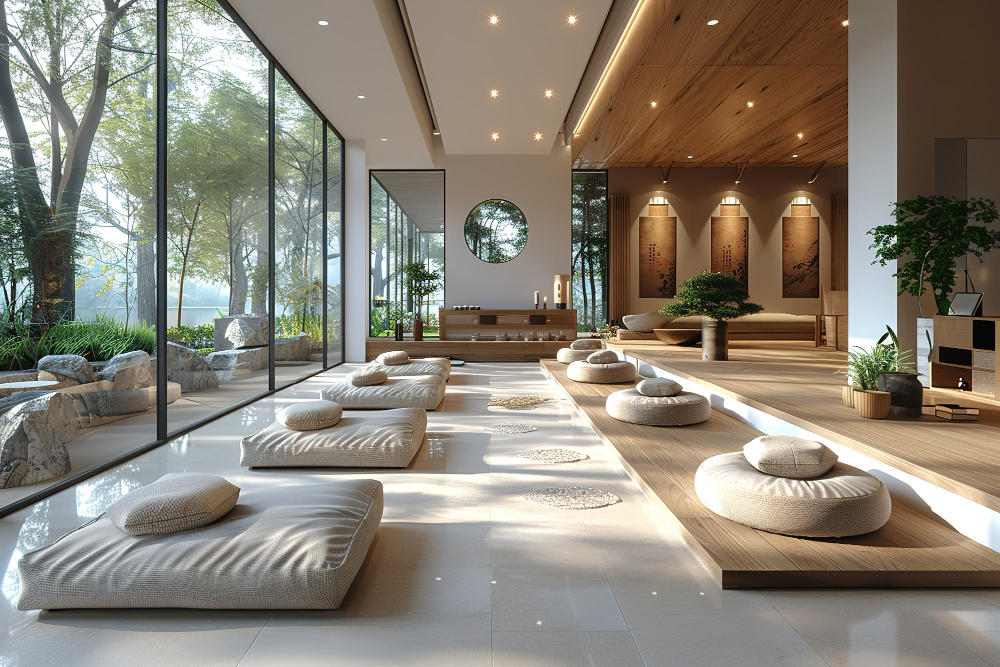





Stress-related health challenges continue to shape workforce productivity, healthcare utilization, employee engagement, and long-term organizational resilience. Employers, insurers, and healthcare decision-makers increasingly recognize that chronic stress is not simply an individual issue, but a systemic workforce concern linked to burnout, absenteeism, rising healthcare costs, and diminished performance. As organizations expand their focus beyond reactive healthcare models, interest has grown in environments designed to support recovery, restoration, and preventive wellness.
Wellness residences represent one emerging area within this broader shift toward integrated health and recovery ecosystems. These environments are being explored not only for personal wellness purposes, but also for their potential role in executive health, workforce resilience, preventive healthcare strategies, and long-term healthy aging initiatives. In high-pressure industries where cognitive performance, emotional regulation, and sustained productivity are critical, recovery-oriented living environments may offer supportive conditions that complement more traditional corporate wellness interventions.
The growing discussion around wellness-centered residential models also reflects changing workforce expectations. Employees and executives increasingly seek health-supportive environments that align with mental well-being, lifestyle sustainability, and long-term quality of life. This trend intersects with broader conversations surrounding longevity medicine, preventive care access, remote work flexibility, and evolving definitions of workplace wellness.
For healthcare purchasers and benefits leaders, the topic raises important strategic questions. Organizations are evaluating how physical environments, recovery-focused infrastructure, and wellness-oriented living models may influence stress management, engagement, retention, and population health outcomes over time. While evidence standards and implementation models continue to evolve, the conversation itself reflects a larger transformation in how health is understood within workforce strategy.
Clear Explanation of the Concept
Wellness residences are residential environments intentionally designed to support physical, mental, emotional, and sometimes social well-being through integrated health-supportive features, services, and lifestyle infrastructure. These residences typically combine aspects of hospitality, preventive healthcare, recovery-oriented design, wellness programming, and healthy living environments. Unlike conventional residential communities that focus primarily on housing functionality, wellness residences aim to create conditions associated with restoration, stress reduction, and long-term well-being.
The concept is not limited to luxury amenities or short-term retreats. Rather, it reflects a broader emphasis on environmental determinants of health, including sleep quality, air quality, access to movement, nutrition, social connection, restorative spaces, and stress management resources. Many wellness-oriented residential models integrate features such as biophilic design, fitness access, mindfulness programming, healthy food environments, recovery spaces, and healthcare-adjacent services.
For employers and healthcare decision-makers, the relevance lies in the growing recognition that health outcomes are influenced by daily living environments as much as by clinical interventions. Chronic stress, poor recovery, sleep disruption, and social isolation are increasingly associated with downstream health risks that affect workforce performance and healthcare spending. Wellness residences are therefore being examined as one component within a broader ecosystem of preventive healthcare and employee health strategy.
Importantly, wellness residences should not be viewed as medical facilities or substitutes for clinical care. They are generally designed to support healthier routines, recovery practices, and wellness behaviors rather than diagnose or treat disease. Their value proposition, from an organizational perspective, may center on supporting sustainable well-being, recovery capacity, and resilience in populations experiencing high levels of occupational stress.
How the Concept Differs From Related Ideas
Wellness residences are often confused with spas, resorts, retirement communities, or medical tourism facilities, but the underlying objectives differ significantly. A traditional wellness retreat is typically temporary and experience-focused, whereas wellness residences are designed around ongoing lifestyle integration and sustained well-being practices. The emphasis is generally on daily living patterns rather than episodic interventions.
They also differ from standard corporate wellness programs. Conventional workplace wellness initiatives may focus on screenings, digital health tools, fitness reimbursements, or behavioral incentives, while wellness residences address environmental and lifestyle conditions that influence stress and recovery outside traditional workplace settings. This distinction matters because recovery and resilience are increasingly understood as continuous rather than episodic processes.
Wellness residences are also distinct from clinical rehabilitation or mental health treatment centers. Although some wellness residences may incorporate healthcare-adjacent services, they are not intended to replace licensed medical treatment or psychiatric care. Their primary role is typically preventive and supportive rather than therapeutic in the clinical sense.
In the context of longevity strategy, wellness residences also differ from age-restricted senior living models. While some overlap exists around healthy aging and preventive care, many wellness residences target broader demographics, including working professionals, executives, remote workers, and individuals focused on proactive health optimization. This broader applicability has increased employer and payer interest in understanding their long-term workforce implications.
Key Components or Core Elements
- Recovery-Oriented Environmental Design
Wellness residences often prioritize physical environments that may support nervous system regulation and stress recovery. Features such as natural lighting, noise reduction, green spaces, restorative architecture, and sleep-supportive design are increasingly associated with healthier living conditions and improved well-being outcomes. - Integrated Preventive Wellness Infrastructure
Many wellness residences incorporate fitness spaces, movement programming, mindfulness resources, and nutritional support into daily living environments. These features aim to reduce barriers to preventive health behaviors and encourage long-term lifestyle consistency rather than short-term intervention cycles. - Focus on Stress Regulation and Mental Well-Being
Chronic stress has measurable effects on cognitive performance, sleep quality, cardiovascular health, and workforce engagement. Wellness residences frequently emphasize environments and routines intended to support emotional recovery, mental resilience, and healthier stress management practices. - Community and Social Connectivity
Social isolation is increasingly recognized as a contributor to poor health outcomes and diminished workforce well-being. Wellness-centered residential environments often encourage social engagement, shared wellness activities, and community interaction as part of broader emotional and behavioral health support. - Technology-Enabled Health Monitoring
Some wellness-oriented living models integrate digital wellness tools, environmental monitoring systems, or personalized health tracking technologies. While these technologies may support engagement and self-awareness, they also introduce important considerations around data privacy, governance, and appropriate use. - Alignment With Healthy Aging and Longevity Trends
Interest in longevity medicine and preventive healthcare has expanded conversations around health-supportive living environments. Wellness residences may align with broader healthy aging goals by encouraging behaviors associated with resilience, recovery, mobility, and long-term quality of life. - Support for Flexible and Distributed Workforces
Remote and hybrid work models have blurred the boundaries between work environments and personal living spaces. Wellness residences are increasingly evaluated through the lens of workforce sustainability, particularly for employees managing high workloads, travel demands, or extended digital engagement.
Strategic Implications for Employers, Payers, and Workforce Decision-Makers
For employers, stress reduction is no longer viewed solely as an individual wellness issue. Chronic workplace stress contributes to turnover, disengagement, absenteeism, presenteeism, and rising healthcare utilization across many industries. As workforce health strategies evolve, organizations are increasingly evaluating upstream interventions that may support resilience, recovery, and long-term well-being outside traditional healthcare settings.
Wellness residences may become relevant within broader conversations about preventive healthcare, executive wellness, workforce sustainability, and employee experience. While not appropriate or necessary for all workforce populations, these environments may offer insights into how living conditions influence recovery capacity and stress management behaviors. Organizations focused on retention and high-performance workforce cultures may increasingly examine environmental determinants of employee health alongside clinical benefits and wellness programming.
Healthcare purchasers and insurers are also paying closer attention to non-clinical drivers of health outcomes. Sleep quality, chronic stress exposure, social isolation, and recovery limitations all influence long-term claims risk and healthcare utilization patterns. Wellness-oriented living environments may eventually become part of larger discussions surrounding value-based health strategy and population well-being.
There are also implications for organizational culture and talent attraction. Employees increasingly evaluate employers based on their broader commitment to sustainable well-being and mental health support. This trend is especially visible among high-skill and executive talent populations where burnout risk remains elevated.
Importantly, organizations should approach wellness residences as one potential component within a comprehensive workforce health strategy rather than as a standalone solution. Long-term outcomes depend on integration with preventive healthcare access, mental health support, organizational culture, workload management, and evidence-based wellness governance.
Implications for Executive Health, Remote Work, Global Mobility, or Talent Strategy
Executives and senior leaders often face sustained cognitive demands, travel pressures, decision fatigue, and prolonged stress exposure. Recovery environments that support sleep, restoration, mental clarity, and physical well-being may therefore become increasingly relevant within executive health discussions. Organizations are recognizing that leadership resilience has downstream implications for culture, decision-making quality, and organizational performance.
The rise of remote and hybrid work has also expanded attention toward health-supportive living environments. Employees spending more time working from home are increasingly affected by environmental factors such as air quality, movement limitations, social isolation, and blurred work-life boundaries. Wellness-oriented residential models may address some of these challenges by integrating recovery-supportive infrastructure directly into daily living environments.
Global mobility trends further complicate workforce wellness considerations. Employees relocating internationally or working across distributed regions may face stressors related to healthcare access, social disruption, and lifestyle instability. Wellness residences may appeal to mobile professionals seeking continuity in health-supportive living conditions during periods of transition or relocation.
Talent strategy considerations are also evolving. Competitive labor markets increasingly reward organizations that demonstrate meaningful investment in sustainable workforce well-being rather than short-term wellness initiatives alone. While wellness residences are unlikely to become mainstream workforce offerings in the near term, they reflect broader employee expectations around preventive health, recovery, and quality-of-life integration.
The conversation also intersects with leadership longevity and healthy aging initiatives. Organizations concerned with sustaining experienced leadership talent may increasingly evaluate recovery-oriented health strategies that support long-term cognitive and physical resilience.
Implications for Payers, Benefits Leaders, and Healthcare Decision-Makers
Benefits leaders and healthcare purchasers are under growing pressure to manage healthcare costs while improving workforce health outcomes and engagement. This has intensified interest in preventive healthcare models that address chronic stress and behavioral health risk factors before they escalate into more complex clinical conditions. Wellness residences may therefore become relevant within broader conversations around upstream health interventions.
From a payer perspective, stress-related conditions contribute significantly to claims utilization across mental health, cardiovascular health, musculoskeletal disorders, and sleep-related conditions. Recovery-supportive environments may potentially complement preventive care efforts by encouraging healthier behavioral patterns and reducing barriers to wellness engagement. However, measurable outcomes and long-term evidence remain important considerations.
Healthcare decision-makers must also consider equity and accessibility. Wellness-oriented residential models may not be financially or geographically accessible to all workforce populations. As a result, organizations should avoid creating wellness strategies that unintentionally widen disparities in access to supportive health environments.
There are also implications for behavioral health integration. Mental well-being increasingly requires multi-dimensional approaches that combine clinical support, organizational culture change, recovery practices, and healthier environmental conditions. Wellness residences may contribute to this broader ecosystem but should not be framed as substitutes for mental healthcare infrastructure.
Benefits leaders will likely continue evaluating how environmental wellness strategies intersect with population health management, preventive care engagement, and workforce sustainability objectives. Evidence standards, measurable outcomes, and governance frameworks will remain central to these discussions.
Risks, Limitations, and Ethical Considerations
Despite growing interest, wellness residences present important limitations and ethical considerations that organizations should evaluate carefully. One concern involves the risk of overstating wellness outcomes without sufficient long-term evidence. While supportive environments may contribute positively to stress reduction and recovery behaviors, outcomes can vary substantially based on individual circumstances, health status, and organizational context.
Equity and accessibility are also significant considerations. Wellness-oriented residential environments may be more accessible to higher-income populations, executives, or geographically mobile professionals. Employers and healthcare stakeholders should avoid approaches that inadvertently create unequal access to health-supportive resources across workforce populations.
Privacy and data governance issues may also emerge, particularly when wellness residences incorporate digital monitoring technologies, biometric tracking, or health-related analytics. Organizations should ensure that employee health data remains appropriately protected and that participation in wellness-oriented initiatives is voluntary and ethically governed.
Another limitation involves the broader risk of medicalizing everyday stress and lifestyle management. Not all stress requires specialized wellness environments, and organizations should avoid framing wellness residences as universal solutions for complex workforce health challenges. Structural workplace issues such as excessive workloads, poor leadership culture, and inadequate mental health support cannot be solved solely through environmental interventions.
Quality variation across wellness-oriented residential models also remains an important consideration. Without standardized evidence frameworks or oversight mechanisms, experiences and outcomes may differ widely. Decision-makers should therefore approach wellness residence strategies with appropriate due diligence and realistic expectations.
What Organizations Should Evaluate
Organizations considering wellness-oriented residential concepts should begin with clear strategic objectives rather than trend adoption. Employers and benefits leaders should assess whether such environments align with broader workforce health priorities, preventive healthcare goals, and organizational culture initiatives. Without clear alignment, wellness investments may become fragmented or difficult to evaluate.
Evidence standards are particularly important. Decision-makers should assess whether wellness claims are supported by credible health research, measurable outcomes, and transparent methodologies. Metrics related to employee engagement, stress reduction, retention, absenteeism, and health utilization may be useful when evaluating broader workforce impact.
Organizations should also evaluate inclusivity and workforce fit. Different employee populations have different health risks, caregiving responsibilities, work patterns, and access needs. Wellness-oriented strategies should avoid privileging one segment of the workforce while overlooking broader population health priorities.
Privacy governance is another critical consideration. Any wellness-related initiative involving health data, behavioral monitoring, or environmental analytics should include clear safeguards, informed consent processes, and compliance with applicable privacy standards. Employees should understand how data is collected, used, and protected.
Scalability and sustainability also matter. Employers should consider whether wellness residence concepts can realistically integrate into broader workforce health strategies over time. Long-term success depends on alignment with preventive healthcare, behavioral health resources, organizational leadership, and employee trust.
Future Outlook and Emerging Trends
The future of wellness residences will likely intersect with several broader trends shaping healthcare, workforce strategy, and preventive wellness. One major trend involves the growing emphasis on recovery as a measurable component of workforce performance and resilience. Organizations increasingly recognize that productivity depends not only on effort and engagement, but also on adequate recovery capacity.
Longevity medicine and healthy aging trends may further influence the evolution of wellness-oriented living environments. As workforces age and career timelines extend, preventive health infrastructure may become increasingly important in supporting long-term cognitive, emotional, and physical resilience. Wellness residences could become part of broader conversations surrounding healthy lifespan optimization and sustainable workforce participation.
Technology integration is also expected to expand. Environmental monitoring systems, digital wellness platforms, and personalized health analytics may become more common within wellness-oriented residential ecosystems. However, these developments will likely intensify debates surrounding data governance, privacy protections, and ethical health monitoring practices.
The evolution of hybrid and distributed work models may further accelerate interest in health-supportive living environments. Employees spending more time working remotely are increasingly sensitive to how living conditions affect stress, sleep, focus, and recovery. This shift may encourage employers and developers to rethink the relationship between residential environments and workforce health.
Healthcare systems themselves may also become more prevention-oriented over time. As payers and employers face rising costs associated with chronic disease and mental health conditions, interest may grow in upstream wellness strategies that address environmental and behavioral drivers of health outcomes. Wellness residences may therefore remain part of broader discussions around preventive healthcare innovation and population well-being.
Educational Closing Perspective
The growing interest in wellness residences reflects a broader shift in how organizations, healthcare stakeholders, and workforce leaders understand stress, recovery, and preventive health. Increasingly, health is being viewed not only through the lens of clinical care, but also through the environments and daily conditions that shape long-term well-being. This perspective aligns with evolving workforce expectations around sustainability, resilience, and healthier approaches to work and living.
For employers and healthcare decision-makers, the conversation is ultimately less about real estate and more about recovery capacity, preventive health strategy, and organizational resilience. Wellness-oriented living environments may offer valuable insights into how stress reduction, restorative design, and healthier behavioral ecosystems influence workforce outcomes over time. At the same time, careful governance, evidence evaluation, and equitable implementation remain essential.
The future of workforce health will likely require increasingly integrated approaches that combine preventive healthcare, mental well-being support, organizational culture change, and healthier living conditions. No single intervention can fully address chronic stress or workforce burnout, but recovery-supportive environments may become one component within broader health and longevity strategies. Organizations exploring these concepts should prioritize thoughtful evaluation, measurable outcomes, and long-term sustainability rather than trend-driven adoption.
As workforce demographics, healthcare expectations, and preventive wellness models continue to evolve, recovery-oriented living environments will likely remain part of ongoing strategic discussions across healthcare and corporate wellness sectors. Professionals exploring this topic can review this resource as part of a broader due diligence process surrounding wellness-oriented residential models and preventive health strategies.
