


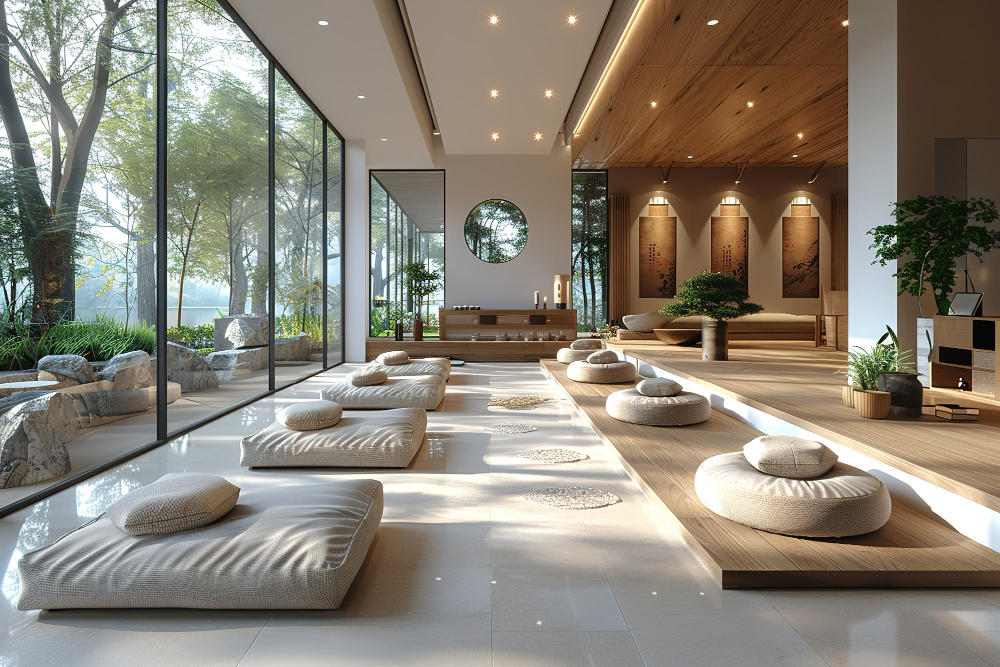





As employers and healthcare decision-makers increasingly prioritize preventive healthcare and long-term workforce resilience, the environments where people live are becoming a more important part of the broader wellness conversation. Traditional corporate wellness programs have often focused on isolated interventions such as fitness incentives, nutrition education, or mental health resources. However, there is growing recognition that physical surroundings, social infrastructure, access to healthcare, and community design may significantly influence long-term health outcomes and quality of life.
A wellness-focused community represents a more integrated approach to well-being that extends beyond episodic healthcare utilization. These environments are often designed to support healthy behaviors, reduce barriers to preventive care, encourage social connection, and create conditions associated with healthier aging and improved daily functioning. For employers, insurers, and benefits leaders, this shift aligns with broader efforts to address workforce health at a systemic level rather than relying solely on reactive healthcare models.
The topic also matters because demographic trends are reshaping healthcare and workforce planning. Aging populations, rising rates of chronic disease, mental health concerns, and healthcare cost pressures are forcing organizations to rethink how health is supported across the lifespan. Wellness-oriented living models may become increasingly relevant not only for retirees, but also for executives, remote professionals, globally mobile employees, and multigenerational households.
In addition, the growing emphasis on longevity medicine, preventive healthcare, and health optimization has expanded interest in environments that encourage sustainable healthy behaviors. Wellness-focused communities are increasingly being evaluated through the lens of population health, workforce productivity, healthcare utilization, and long-term quality of life rather than lifestyle positioning alone.
For healthcare decision-makers, the concept raises important strategic questions about prevention, access, engagement, health equity, and the role of the built environment in shaping outcomes over time.
Clear Explanation of the Concept
A wellness-focused community is a residential environment intentionally designed to support physical, mental, emotional, and social well-being through infrastructure, programming, environmental design, and access to health-supportive resources. Unlike traditional residential developments that primarily emphasize housing and amenities, these communities are often structured around preventive health principles, healthy aging strategies, active living, social engagement, and holistic wellness.
These communities may include features such as walkable layouts, green space access, fitness and movement infrastructure, healthy food availability, integrated wellness services, community programming, and healthcare accessibility. Some models also incorporate elements associated with longevity-focused living, stress reduction, environmental sustainability, and social connectivity. Importantly, the concept is broader than luxury real estate or hospitality-driven wellness offerings. A wellness-focused community is not defined solely by premium amenities or short-term experiences.
For employers and healthcare stakeholders, the relevance lies in the potential relationship between environment and health outcomes. Research across public health and urban planning has consistently shown that social isolation, sedentary living, environmental stressors, and poor access to preventive care may negatively affect long-term well-being. Wellness-oriented living environments seek to address some of these structural factors by embedding healthier choices into daily life.
The concept is also relevant because healthcare systems are increasingly shifting toward value-based care, prevention, and population health management. Communities designed around wellness principles may complement broader organizational strategies aimed at reducing avoidable healthcare utilization, supporting healthy aging, and improving quality of life over time.
At the same time, wellness-focused communities should not be viewed as substitutes for medical care, clinical oversight, or evidence-based healthcare interventions. Their role is better understood as part of a broader ecosystem that may support healthier living patterns and improved engagement with preventive healthcare.
How the Concept Differs From Related Ideas
Wellness-focused communities are often confused with luxury residential developments, retirement villages, resort-style living, or hospitality-centered wellness destinations. While there may be some overlap in design features, the underlying objectives are different. A wellness-focused community is fundamentally centered on supporting long-term health behaviors and sustainable well-being rather than providing short-term leisure experiences or status-oriented amenities.
The concept also differs from conventional corporate wellness programs. Traditional workplace wellness initiatives are usually employer-sponsored and limited to work-related settings or health benefits. Wellness-focused communities, by contrast, address broader lifestyle and environmental factors that influence health outside the workplace, including social interaction, mobility, nutrition access, sleep environments, and stress management.
Another distinction involves the difference between healthcare access and wellness infrastructure. A residential development may offer access to healthcare providers without necessarily incorporating wellness-oriented design principles. Conversely, some wellness communities may emphasize environmental and behavioral health supports while partnering externally for medical services.
The idea also differs from longevity medicine itself. Longevity medicine generally refers to evidence-informed clinical strategies aimed at extending healthspan and reducing age-related decline. A wellness-focused community may incorporate elements aligned with longevity principles, but it is not inherently a medical intervention or clinical treatment model.
Finally, wellness-focused communities differ from generalized “healthy lifestyle” branding. A meaningful wellness-oriented environment requires intentional design, operational consistency, measurable health-supportive infrastructure, and alignment with preventive healthcare principles rather than surface-level wellness messaging.
Key Components or Core Elements
- Built Environment and Walkability
The physical design of a wellness-focused community often prioritizes movement, accessibility, and reduced sedentary behavior. Walkable layouts, green spaces, pedestrian pathways, and outdoor gathering areas may encourage regular physical activity as part of daily routines rather than isolated exercise sessions. - Preventive Healthcare Integration
Many wellness-oriented communities aim to improve access to preventive healthcare services and health education. This may include wellness screenings, preventive care coordination, health coaching, or proximity to healthcare resources that support early intervention and long-term health management. - Social Connectivity and Community Engagement
Social isolation is increasingly recognized as a significant public health concern associated with mental and physical health risks. Wellness-focused communities often prioritize shared spaces, group activities, intergenerational interaction, and community engagement to help strengthen social connection and emotional well-being. - Nutrition and Healthy Food Access
Access to nutritious food and healthy dining environments can influence long-term health behaviors. Some wellness-oriented residential models incorporate healthy food programs, community gardens, nutrition education, or wellness-centered dining options designed to support preventive health strategies. - Mental Health and Stress Reduction Infrastructure
Stress management is becoming a central component of workforce health and longevity conversations. Wellness-focused communities may incorporate natural environments, mindfulness spaces, recovery-oriented design, quiet zones, and wellness programming intended to support emotional resilience and mental well-being. - Technology and Health Monitoring Capabilities
Some communities integrate digital health technologies, wellness tracking systems, or smart-environment infrastructure to support health engagement and data-informed wellness strategies. These technologies should be evaluated carefully to ensure appropriate privacy protections and meaningful health relevance. - Age-Friendly and Longevity-Oriented Design
Aging populations are driving greater interest in environments that support long-term independence and functional health. Features such as accessible design, mobility-friendly infrastructure, preventive health resources, and social support systems may help create more sustainable living environments for older adults and multigenerational populations.
Strategic Implications for Employers, Payers, and Workforce Decision-Makers
The rise of wellness-focused communities reflects broader changes in how organizations approach workforce health and preventive care. Employers are increasingly recognizing that healthcare outcomes are shaped by social determinants, environmental conditions, stress exposure, and lifestyle infrastructure rather than clinical care alone. This shift is encouraging more integrated approaches to employee well-being and long-term health planning.
For organizations managing healthcare costs, chronic disease burden remains a major concern. Conditions linked to sedentary behavior, stress, poor nutrition, and social isolation contribute significantly to absenteeism, reduced productivity, and healthcare utilization. Environments that support healthier daily behaviors may help reinforce broader preventive healthcare strategies when implemented thoughtfully and inclusively.
The topic is also relevant to workforce resilience and talent retention. Employees increasingly evaluate quality of life, work-life integration, mental well-being, and long-term health considerations when making career and relocation decisions. Communities that align with wellness and healthy aging priorities may become more influential in executive relocation, remote work strategies, and workforce planning.
From a healthcare strategy perspective, wellness-focused living environments may support efforts to improve engagement with preventive care and population health initiatives. Organizations are increasingly exploring ways to encourage sustained health behaviors outside episodic clinical interactions. Community-based wellness infrastructure may complement these objectives by supporting consistency and behavioral reinforcement over time.
For insurers and benefits leaders, the concept raises important questions about measurable outcomes, health engagement, risk stratification, and long-term cost trajectories. While evidence continues to evolve, there is growing interest in understanding how environmental and lifestyle interventions may contribute to healthier aging and reduced avoidable healthcare utilization.
Implications for Executive Health, Remote Work, Global Mobility, or Talent Strategy
The expansion of remote and hybrid work has fundamentally changed how organizations think about employee well-being and geographic flexibility. Executives and knowledge workers now spend more time interacting with their residential environments than in traditional centralized office settings. As a result, community design and lifestyle infrastructure may play a greater role in supporting health, productivity, and mental resilience.
For executive populations, wellness-focused communities may align with increasing interest in preventive health management, stress reduction, and sustainable performance optimization. Senior leaders often face elevated stress exposure, extensive travel demands, and long work hours, making recovery environments and preventive healthcare access increasingly relevant.
Global mobility strategies may also be affected by growing demand for healthier living environments. Organizations relocating employees internationally or supporting distributed workforces may begin evaluating broader wellness infrastructure alongside traditional considerations such as cost, transportation, and healthcare access.
Additionally, younger workforce demographics increasingly prioritize purpose-driven living, environmental quality, and holistic wellness considerations when evaluating relocation opportunities or long-term lifestyle decisions. Employers competing for specialized talent may need to understand how community wellness factors influence workforce preferences and retention.
At the same time, organizations should avoid assuming that wellness-focused living models are universally accessible or appropriate for all employee populations. Inclusivity, affordability, geographic accessibility, and cultural relevance remain important considerations in workforce strategy planning.
Implications for Payers, Benefits Leaders, and Healthcare Decision-Makers
For payers and benefits leaders, wellness-focused communities intersect with broader trends in preventive healthcare, population health management, and healthcare utilization reduction. Healthcare systems are increasingly under pressure to address chronic disease earlier, improve patient engagement, and reduce avoidable downstream costs.
Environmental and lifestyle factors play a major role in long-term health outcomes. Communities designed to encourage physical activity, social engagement, and preventive health behaviors may support broader strategies aimed at improving population-level wellness and reducing health risk accumulation over time.
Benefits consultants and healthcare purchasers may also see relevance in the context of aging workforce demographics. Supporting healthy aging and long-term independence is becoming an increasingly important strategic priority as organizations seek to manage healthcare expenditures and workforce sustainability.
There are also implications for mental health and social well-being. Social isolation, burnout, and stress-related conditions continue to affect workforce productivity and healthcare claims trends. Community environments that encourage social interaction and emotional support may complement employer-sponsored mental health initiatives when implemented responsibly.
However, healthcare decision-makers should maintain realistic expectations regarding measurable outcomes. Wellness-focused communities should be evaluated as one component of a broader preventive healthcare ecosystem rather than as standalone solutions capable of resolving complex healthcare challenges independently.
Risks, Limitations, and Ethical Considerations
Despite growing interest in wellness-focused communities, several risks and limitations warrant careful evaluation. One major concern involves the potential for overclaiming health benefits without sufficient long-term evidence. While certain environmental and lifestyle factors are associated with better health outcomes, the relationship between residential wellness models and measurable clinical improvements remains complex.
Accessibility and equity are also significant considerations. Some wellness-oriented developments may primarily serve higher-income populations, potentially limiting broader access to health-supportive living environments. If wellness infrastructure becomes concentrated in exclusive settings, disparities in preventive healthcare access and healthy aging opportunities may widen rather than improve.
Privacy and data governance present additional challenges, particularly when communities integrate digital health technologies or wellness tracking systems. Organizations and residents should carefully assess how health-related data is collected, stored, shared, and protected. Transparency and informed consent are essential in environments involving personal wellness information.
There is also a risk of medicalizing everyday life or creating unrealistic expectations around health optimization and longevity. Wellness-focused living should not promote the idea that individuals can fully control all health outcomes through environmental design alone. Genetics, socioeconomic conditions, healthcare access, and broader public health factors continue to influence long-term well-being.
Quality variation across wellness-oriented developments is another important issue. The term “wellness-focused” is not always standardized or evidence-based, making due diligence especially important for organizations and individuals evaluating these environments.
What Organizations Should Evaluate
Organizations exploring wellness-focused living concepts should begin with a clear understanding of their strategic objectives and employee population needs. Not all workforce segments will prioritize or benefit from the same wellness-oriented features, and assumptions about employee preferences should be validated through data and engagement analysis.
Evidence standards should also be carefully reviewed. Decision-makers should distinguish between marketing-driven wellness claims and evidence-informed approaches grounded in preventive healthcare, public health, behavioral science, or healthy aging research. Long-term outcomes and measurable indicators are especially important when considering strategic partnerships or wellness-related investments.
Governance and privacy protections are equally critical. Any environment incorporating health-related technologies, wellness monitoring systems, or integrated healthcare services should demonstrate appropriate data governance, cybersecurity standards, and transparent consent practices.
Organizations should also assess scalability and inclusivity. A wellness-focused model that only serves narrow demographic groups may have limited relevance for broader workforce health strategies. Accessibility, affordability, cultural adaptability, and geographic feasibility should be considered as part of any evaluation process.
Finally, employers and healthcare leaders should evaluate alignment with broader preventive healthcare goals. Wellness-oriented environments are most effective when integrated thoughtfully within larger strategies related to employee health, mental well-being, chronic disease prevention, and long-term workforce resilience.
Future Outlook and Emerging Trends
The future of wellness-focused communities will likely be shaped by several converging trends in healthcare, workforce dynamics, and demographic change. Preventive healthcare is expected to become increasingly central to organizational health strategies as healthcare costs continue to rise and populations age.
The growing focus on longevity and healthspan may also accelerate interest in environments that support healthier aging and sustained functional independence. Rather than concentrating solely on lifespan extension, future wellness models may emphasize quality of life, cognitive resilience, mobility, and long-term social engagement.
Technology will likely play a larger role as well. Smart infrastructure, digital wellness tools, remote healthcare access, and personalized health engagement systems may become more integrated into residential environments. However, successful implementation will depend on balancing innovation with ethical governance and privacy protections.
Workforce decentralization and hybrid work patterns are also expected to influence residential wellness trends. As more professionals gain geographic flexibility, demand may grow for living environments that support mental well-being, preventive health, and sustainable lifestyle integration outside traditional urban work centers.
There may also be greater collaboration between healthcare systems, urban planners, employers, and wellness-oriented residential developers in the years ahead. Cross-sector partnerships could help shape more comprehensive approaches to healthy living, preventive healthcare access, and population-level well-being.
Educational Closing Perspective
The growing interest in wellness-focused communities reflects a broader evolution in how health, environment, and quality of life are understood within modern workforce and healthcare strategies. Increasingly, organizations and healthcare leaders recognize that preventive health outcomes are influenced not only by medical care, but also by social connection, environmental design, stress exposure, mobility, and access to supportive infrastructure.
As healthcare systems continue shifting toward prevention and long-term population health management, residential environments may become a more important part of the broader wellness ecosystem. For employers and benefits leaders, this creates opportunities to think more holistically about workforce resilience, healthy aging, and sustainable employee well-being beyond traditional workplace interventions.
At the same time, thoughtful evaluation remains essential. Wellness-oriented living models should be assessed carefully through the lenses of evidence, accessibility, governance, inclusivity, and measurable health relevance rather than trend-driven assumptions or marketing narratives.
The future of corporate wellness and preventive healthcare will likely involve greater integration between healthcare delivery, lifestyle infrastructure, environmental design, and community engagement. Organizations seeking to better understand how wellness-centered living environments may fit within broader longevity and workforce health strategies can review this resource as part of a broader educational and due diligence process.
